40 under 40

Take 10 seconds to nominate a colleague, mentee or friend for our Forbes-style list. Must be under the age of 40 in 2026. Open to all maritime professions associated with naval architecture. See eligibility criteria. [hyperlinked].  
 

Nominate with LinkedIn profile 


JOIN TO ADVANCE

Renowned for the technical excellence of our events, publications and learning, we offer career pathways for naval architects and 16 associated professions [hyperlink to 16 professions].

join to influence

We cover everything from super yachts and green propulsion to warship resilience. Network 1-2-1 with top talent at our events or influence the maritime industry by joining one of our comittees.  

JOIN TO INNOVATE

We promote the interdisciplinary conversation at the heart of maritime innovation. Speak at our events, publish in our journals or simply join the discussion forums on our website.  

Not quite ready to join yet? 


?? HOW?? FILL IN EMAIL HERE AND SIGN UP WITH 1 CLICK 

DISCOVER

View All

>

Electric CSOV promises an offshore power surge

Detail Link
>

EV Maritime's EVM200 enables Auckland commuter charge

Detail Link
>

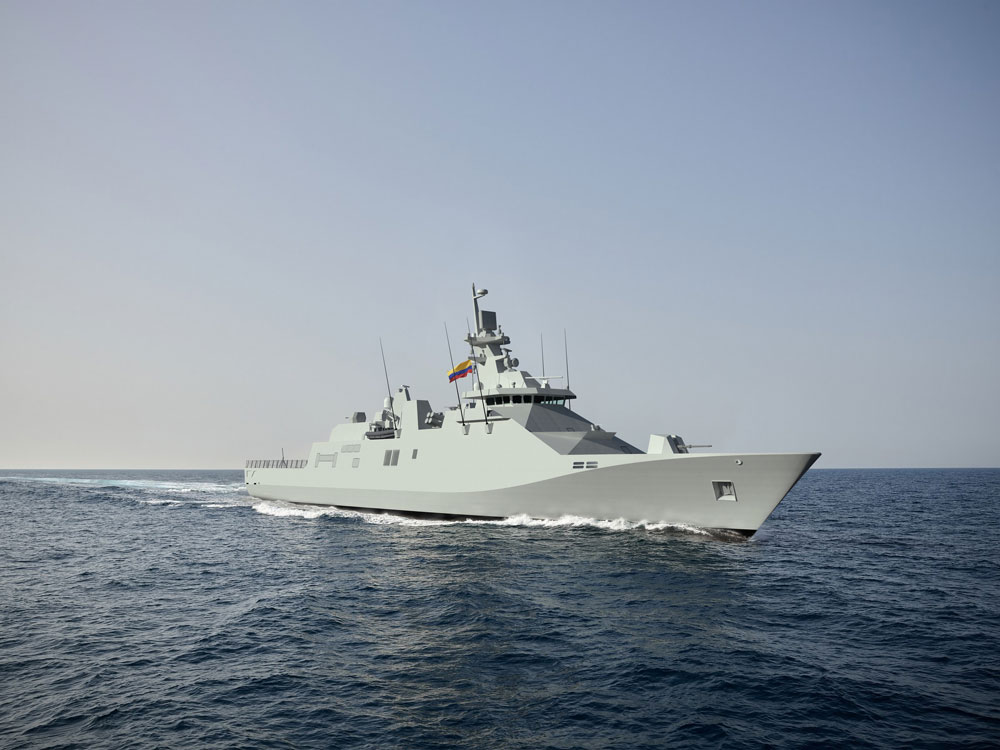
Frigate-building first for Colombia

Detail Link
>

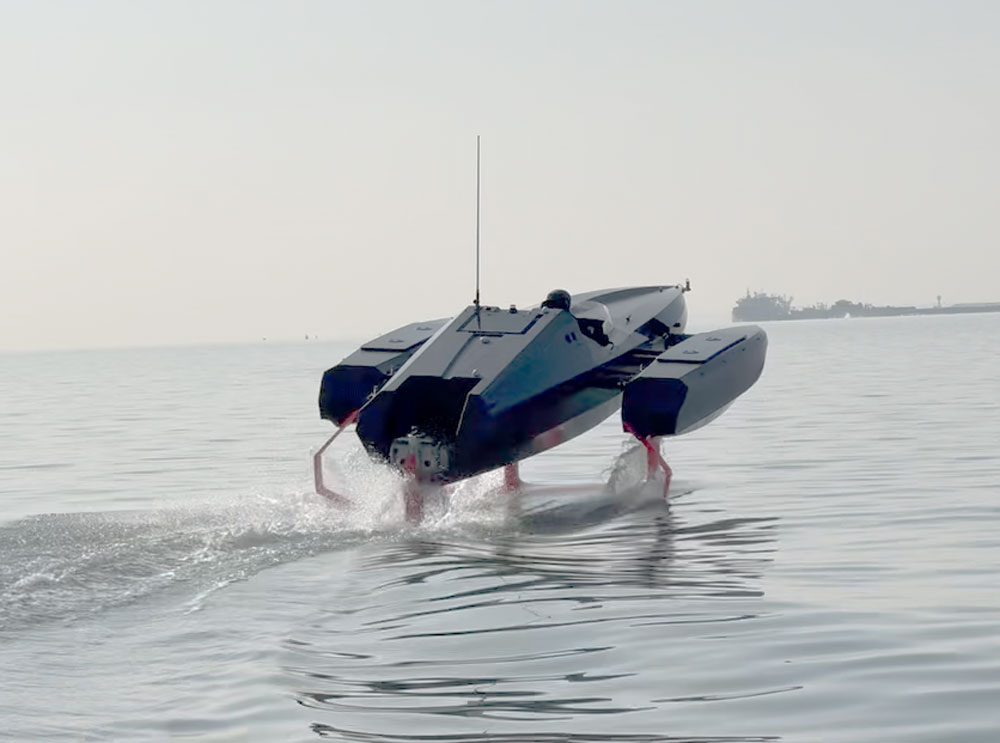
Foiling into ferry territory

Detail Link
>

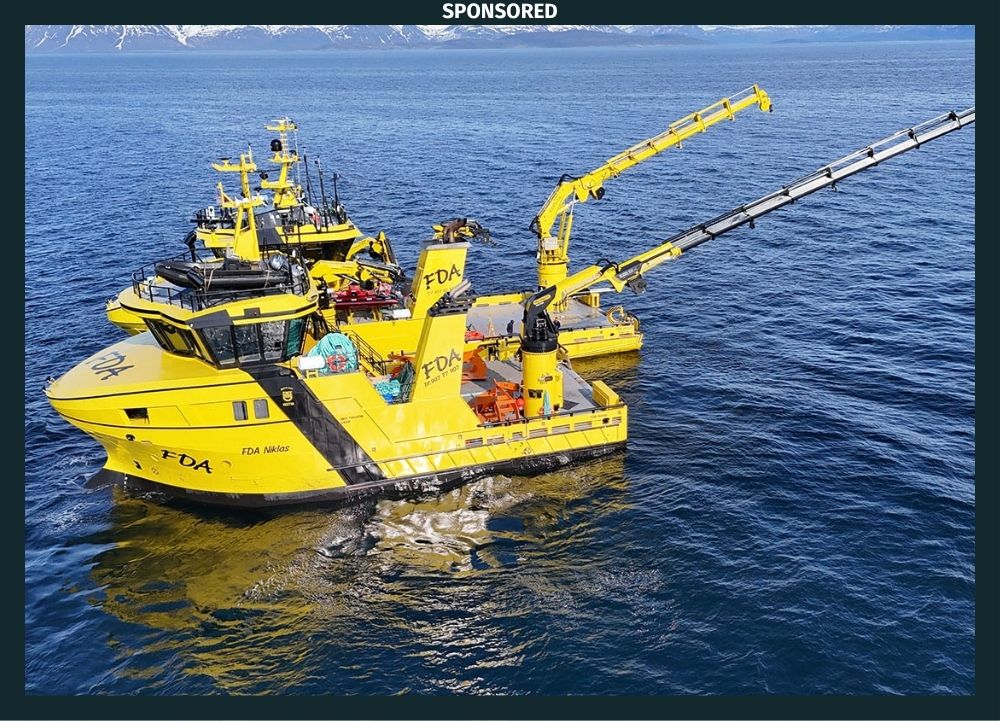
PALFINGER PFM crane series: Reaching a New Level in Outreach and Performance

Detail Link
>

LR workshop lends impetus to hybrid-nuclear SLV

Detail Link
>

Multinational team to build US Coast Guard icebreaker

Detail Link
>

An extra deck for 'Stena Foreteller'

Detail Link
>

Robotics key to UK offshore wind growth

Detail Link
>

Barging into greener territory

Detail Link


???HOW??? what is the best slice to display TESTIMONIALS [LARGE photo + COLOURED BACKGROUND with LARGE quote imposed over it?]

  • Graduate Naval Architect [eg. Aidan Atkinson]

  • Prime Career [eg. Chris Nair]

  • Iconic Status and Giving back to Global Community [eg. Ian Buxton]

 
Global Events Connecting Maritime Leaders


Events


From flagship international conferences to specialist technical seminars, RINA events bring together experts, innovators, and professionals to share knowledge and shape the future of naval architecture.


Explore Upcoming Events
Events

Lorem ipsum dolor sit amet, consectetur adipiscing elit, sed do eiusmod tempor incididunt ut labore et dolore magna aliqua. Ut enim ad minim veniam, quis nostrud exercitation ullamco laboris nisi ut aliquip ex ea commodo consequat. Duis aute irure dolor in reprehenderit in voluptate velit esse cillum dolore eu fugiat nulla pariatur. Excepteur sint occaecat cupidatat non proident, sunt in culpa qui officia deserunt mollit anim id est laborum.

View All

CORPORATE PARTNERS

SPONSORED: Fincantieri shapes the future of Cruise Navigation with Vard Electro's SeaQ Bridge
Endurance boost for new long-range-capable Oceanus12
CORE POWER CEO hints at roadmap to nuclear energy adoption
Sanmar launches first tugboat for Greece
UK consortium unveils floating wind installation vessel concept
Repair round-up: yards form green alliance
Sea Dart takes on multipurpose underwater roles
Keeping an AI eye on safe speeds
'Neoliner Origin' goes back to the future (of sailing)
Tech-friendly Abu Dhabi becomes 'ROC City'
Class assistance for proactive green owners and builders
'Henry Schmitz' now cooking on electric
Bank funding "milestone" for MST Group
Aker Arctic launches design phase for B+ icebreaker
Offshore wind players picked for 2025 Launch Academy
Repair round-up: largest suction sail retrofit
High-tech AUVs to hit Madeira Island
'Iryna' leads the way for B.Now 67 yacht family
Turkish tugbuilding sector on a roll
New IACS recommendation for 3D printing for maritime
CII: Striking the right balance
Repair round-up: LNG retrofits on the up
REACH for a remote-controlled future
Rise of the reactors: could commercial ships benefit from nuclear power?
Performance is key for new 70 knot hotshot
A touch of SES know-how for offshore Angola
Canada gears up for River-class destroyers
UK and Japan unite to fine-tune floating offshore wind future
All-electric overhaul for car ferry 'MF Hamlet'
IHC Dredging secures Indonesian order

HEADING


Lorem ipsum dolor sit amet, consectetur adipiscing elit, sed do eiusmod tempor incididunt ut labore et dolore magna aliqua.


CLICK HERE

HEADING


Lorem ipsum dolor sit amet, consectetur adipiscing elit, sed do eiusmod tempor incididunt ut labore et dolore magna aliqua.


CLICK HERE

Contact Us

Get in touch

Lorem ipsum dolor sit amet, consectetur adipiscing elit. Aliquam aliquam arcu nec dictum cursus. Phasellus porttitor vitae mi vitae interdum. Fusce eu libero et eros pharetra posuere. Class aptent taciti sociosqu ad litora torquent per conubia nostra, per inceptos himenaeos.

Lorem ipsum dolor sit amet, consectetur adipiscing elit, sed do eiusmod tempor incididunt ut labore et dolore magna aliqua. Ut enim ad minim veniam, quis nostrud exercitation ullamco laboris nisi ut aliquip ex ea commodo consequat. Duis aute irure dolor in reprehenderit in voluptate velit esse cillum dolore eu fugiat nulla pariatur. Excepteur sint occaecat cupidatat non proident, sunt in culpa qui officia deserunt mollit anim id est laborum.

The Bundestag and the Federal Government have agreed to exercise an option to procure four more Type 212CD submarines for the German Navy. The contract for the new submarines, which are being acquired by the German Navy and Royal Norwegian Navy under a joint programme, is one of the largest secured by thyssenkrupp Marine Systems.

The deal was initialled by the president of the Bundeswehr Procurement Agency, Annette Lehnigk-Emden, and thyssenkrupp Marine Systems CEO Oliver Burkhard in late December 2024. Germany will now build six Type 212CDs. Norway has also recently signalled its intention to increase the number of submarines it builds under the joint programme from four to six.

Speaking as that deal was confirmed, Burkhard said: “A turning point in history is finally arriving in the maritime sector. We are delighted at the trust that the German government has once again placed in us with the additional order. We are making a decisive contribution to Germany’s response to changing times and strengthening our defence capabilities with this strategically important project between Germany and Norway.”

The Type 212CD submarines will be significantly more capable than the German Navy’s existing Type 212A boats, with enhanced situational awareness, superior networking with allied units and a reduced signature.

In advance of the construction of the submarines, thyssenkrupp Marine Systems has invested more than €250 million at the company’s yard in Kiel, including a new shipbuilding hall. The group has also acquired additional shipyard capacity at the former MV Werften site in Wismar, to be able to build submarines and surface vessels there at the same time.

“Our order books are well-filled and we are strongly positioned nationally and internationally,” said Burkhard, noting that now that the number of Type 212CD submarines on order has been increased, other countries could join the project in the near future. “Our strong position has now become even stronger,” he concluded.

A team-up between boatbuilder/USV manufacturer Tuco Marine and maritime survey tech company EIVA aims to establish an all-in-one autonomous package for subsea asset inspections, matching a Tuco-built ProZero 8m Naval Intelligence USV to EIVA’s ViperFish remotely operated towed vehicle (ROTV).

In practice, the USV would sail to an area of interest, towing and remotely launching the ViperFish. The ViperFish would be equipped with sensors and survey software, and would undertake high-resolution seabed imaging, with area coverage rates of 1.6km2/hr,  while using magnetic signals to monitor subsea assets, such as power cables.

Jonas Pedersen, MD of Tuco Marine, comments: “By combining…our ProZero with EIVA’s ROTV, it’s possible to monitor the conditions of critical subsea infrastructure much more thoroughly and frequently than with conventional set-ups.”

Launched in 2023, the ViperFish measures 3,200mm x 1,300mm x 620mm and is rated for depths descending to 200m. The ROTV is designed for surveys at 2-10knots, and has a reported target positioning accuracy of 1m. EIVA suggests that, when integrated with an USV, the ViperFish can also be used for mine countermeasures, rapid environmental assessment, surveillance and salvage missions.

The commissioning this week of three frontline naval vessels by the Indian Navy marks a “significant milestone in India’s shipbuilding and design capabilities”, according to analytics firm GlobalData.

January 15 saw the entries of INS Surat (163m), the fourth and final unit of the Visakhapatnam class of stealth guided-missile destroyers; INS Nilgiri (149m), the lead ship of the Nilgiri class of stealth guided-missile frigates; and INS Vagsheer (67.5m), the sixth of six Kalvari-class diesel-electric submarines. The vessels were constructed by Mazagon Dock Shipbuilders Limited (MDL), Mumbai.

Rithik Rao, aerospace and defence analyst at GlobalData, writes: “Armed with advanced weaponry such as BrahMos and Barak 8 missiles, both INS Surat and INS Nilgiri provide the Indian Navy with enhanced anti-surface and anti-air warfare capabilities, excelling in both offensive and defensive roles.

“INS Vagsheer excels in a range of operations, including anti-surface and anti-submarine warfare, intelligence gathering and area surveillance. Together, these domestically built platforms demonstrate India’s growing competence in developing cutting-edge naval technologies, thereby strengthening its maritime security and reinforcing its strategic autonomy in defence production.”

Rao adds that India has felt the need to step up its naval defence capabilities due to “the increasing maritime presence” of the Chinese People’s Liberation Army Navy (PLA Navy) in the Indian Ocean Region. “[India] is trying to catch up with its Chinese counterparts in terms of quantity and technology advancements,” Rao says. GlobalData has forecast that India will spend just over US$35 billion on various domestically built naval vessels and subs in the run-up to 2029.

“Shipbuilders such as MDL stand to benefit significantly, leveraging the expertise gained from constructing complex naval platforms,” says Rao. “Such advancements will lay a strong foundation for future collaborations between major domestic defence contractors and many small and medium suppliers in upcoming next-generation submarine and naval vessel construction programmes, ensuring the Indian Navy remains well-equipped to meet evolving challenges in the upcoming decades.”

Speaking at the commissioning ceremony, Indian prime minister Narender Modi commented: “I am happy that our Navy has expanded the ‘Make In India’ campaign to a great extent. In the last 10 years, 33 ships and seven submarines have been inducted into the Indian Navy. Out of these 40 naval vessels, 39 have been built in Indian shipyards.

“Along with increasing the strength of the Indian armed forces, ‘Make In India’ is also opening new doors of economic progress. The shipbuilding ecosystem is an example. Experts also say that the more investment is made in shipbuilding, the more positive impact it has on the economy.”

The International Association of Classification Societies (IACS) has published a new recommendation, titled Rec. 182, to provide a “comprehensive framework” to support the adoption of onshore power supply (OPS) systems.

Rec. 182 was drawn up to provide “detailed guidance for ship designers, builders, operators and owners on integrating OPS systems into both newbuilds and retrofits, while addressing the technical and operational challenges associated with its implementation”, IACS states. The recommendation is intended to complement IMO’s MSC.1/Circ.1675 – Interim Guidelines on the Safe Operation of OPS Service in Port for Ships Engaged on International Voyages, IACS adds.

Subsequently, Rec. 182 outlines aspects such as: ship requirements for OPS; ship-to-shore connection protocols, with an emphasis on safe connection and disconnection; and testing procedures, for both the first connection and periodic check-ups. IACS states: “At the first call at a shore supply point, ships should undergo mandatory tests, including visual inspections, insulation resistance measurements, functional tests of protection devices and integration tests, to ensure proper operation between ship and shore installations.

“If the time between repeated port calls does not exceed 12 months and no modifications have been made, only limited verification tests are required. However, if the interval exceeds 12 months, comprehensive testing as outlined in the document should be conducted.”

Rec. 182 also covers operational safety measures, including the use of suitable PPE, plus ensuring “effective communication” between shipboard crew and shoreside personnel during connection/disconnection procedures. Documentation of OPS operation procedures – which would include circuit diagrams, compatibility assessments and emergency shutdown protocols – is also underscored in the recommendation, as is a pre-connection safety checklist.

IACS says: “The shift towards decarbonisation has placed a spotlight on reducing emissions from seagoing vessels while at ports, where vessels often rely on auxiliary engines that contribute to greenhouse gas [GHG] emissions. OPS, commonly referred to as ‘cold ironing’ or shore-to-ship power, has emerged as a promising solution, allowing vessels to connect to a land-based electrical grid while at berth, enabling their onboard generators to be switched off.” Cold ironing has been credited with significantly cuttting NOx and SOx emissions, plus particulate matter (PM) levels, in port areas, enabling the future development of sustainable ports.

Rec. 182 can be accessed at the IACS website.

Damen Shiprepair Oranjewerf is strengthening its commitment to green ship repair, maintenance, conversion and refit projects with a recent shore power installation. The yard had already installed a shore power unit which was suited to many of its projects. However, with this latest installation, developed by Elma Systems, the availability of clean onshore power, converted to 60Hz, has been widened to cover all types of vessel that call at the yard.

Commercial manager Jeen van der Werf explains: “Previously, we were able to provide shore power at 50Hz. However, we get a lot of offshore, navy and fishing vessels come to the yard for work, and many of these vessels operate on 60Hz.” As a result, he says, the yard often had to hire in a diesel-powered generator; something the company was keen to avoid.

Damen Shiprepair Oranjewerf began discussions with Elma Systems to address this issue. Together, the two companies set about the development of a solution that was more in tune with the yard’s needs, and Elma came up with a rotary convertor, which converts the shore power to the desired 60Hz rating.

The shore power system, which is installed on the yard’s floating dock, can support up to 250kVA. Should more power be required, there is an option to add a battery or secondary power source. The Elma-designed rotary converter is therefore also equipped with a load sharing system.

With this new shore power system now fully operational, Damen Shiprepair Oranjewerf expects to significantly reduce its carbon emissions. As an additional benefit, the wider use of shore power means that the yard no longer has to hire in costly diesel generators, and is, therefore, able to offer its clients a more competitively priced project.

Frequently Asked Questions

Lorem ipsum dolor sit amet, consectetur adipiscing elit, sed do eiusmod tempor incididunt ut labore et dolore magna aliqua. Ut enim ad minim veniam, quis nostrud exercitation ullamco laboris nisi ut aliquip ex ea commodo consequat.

Tab1

Lorem ipsum dolor sit amet, consectetur adipiscing elit, sed do eiusmod tempor incididunt ut labore et dolore magna aliqua. Ut enim ad minim veniam, quis nostrud exercitation ullamco laboris nisi ut aliquip ex ea commodo consequat. Duis aute irure dolor in reprehenderit in voluptate velit esse cillum dolore eu fugiat nulla pariatur. Excepteur sint occaecat cupidatat non proident, sunt in culpa qui officia deserunt mollit anim id est laborum.

Tab2

Lorem ipsum dolor sit amet, consectetur adipiscing elit, sed do eiusmod tempor incididunt ut labore et dolore magna aliqua. Ut enim ad minim veniam, quis nostrud exercitation ullamco laboris nisi ut aliquip ex ea commodo consequat. Duis aute irure dolor in reprehenderit in voluptate velit esse cillum dolore eu fugiat nulla pariatur. Excepteur sint occaecat cupidatat non proident, sunt in culpa qui officia deserunt mollit anim id est laborum.

Frequently Asked Questions

Lorem ipsum dolor sit amet, consectetur adipiscing elit, sed do eiusmod tempor incididunt ut labore et dolore magna aliqua. Ut enim ad minim veniam, quis nostrud exercitation ullamco laboris nisi ut aliquip ex ea commodo consequat.

Tab1

Lorem ipsum dolor sit amet, consectetur adipiscing elit, sed do eiusmod tempor incididunt ut labore et dolore magna aliqua. Ut enim ad minim veniam, quis nostrud exercitation ullamco laboris nisi ut aliquip ex ea commodo consequat. Duis aute irure dolor in reprehenderit in voluptate velit esse cillum dolore eu fugiat nulla pariatur. Excepteur sint occaecat cupidatat non proident, sunt in culpa qui officia deserunt mollit anim id est laborum.

Tab2

Lorem ipsum dolor sit amet, consectetur adipiscing elit, sed do eiusmod tempor incididunt ut labore et dolore magna aliqua. Ut enim ad minim veniam, quis nostrud exercitation ullamco laboris nisi ut aliquip ex ea commodo consequat. Duis aute irure dolor in reprehenderit in voluptate velit esse cillum dolore eu fugiat nulla pariatur. Excepteur sint occaecat cupidatat non proident, sunt in culpa qui officia deserunt mollit anim id est laborum.

Tab3

Lorem ipsum dolor sit amet, consectetur adipiscing elit, sed do eiusmod tempor incididunt ut labore et dolore magna aliqua. Ut enim ad minim veniam, quis nostrud exercitation ullamco laboris nisi ut aliquip ex ea commodo consequat. Duis aute irure dolor in reprehenderit in voluptate velit esse cillum dolore eu fugiat nulla pariatur. Excepteur sint occaecat cupidatat non proident, sunt in culpa qui officia deserunt mollit anim id est laborum.

Tab4

Lorem ipsum dolor sit amet, consectetur adipiscing elit, sed do eiusmod tempor incididunt ut labore et dolore magna aliqua. Ut enim ad minim veniam, quis nostrud exercitation ullamco laboris nisi ut aliquip ex ea commodo consequat. Duis aute irure dolor in reprehenderit in voluptate velit esse cillum dolore eu fugiat nulla pariatur. Excepteur sint occaecat cupidatat non proident, sunt in culpa qui officia deserunt mollit anim id est laborum.

text one

Lorem ipsum dolor sit amet, consectetur adipiscing elit, sed do eiusmod tempor incididunt ut labore et dolore magna aliqua. Ut enim ad minim veniam, quis nostrud exercitation ullamco laboris nisi ut aliquip ex ea commodo consequat. Duis aute irure dolor in reprehenderit in voluptate velit esse cillum dolore eu fugiat nulla pariatur. Excepteur sint occaecat cupidatat non proident, sunt in culpa qui officia deserunt mollit anim id est laborum.

Electric CSOV promises an offshore power surge

Offshore wind turbines and battery-powered support vessels seem a perfect match, promising reduced fossil fuel use and a holistic solution for the wind power industry’s success. However, can batteries – whether in a hybrid diesel-electric set-up or installed as a standalone solution – provide enough power for an 80m+ service operation vessel (SOV) to compete with similarly sized, diesel-powered units?

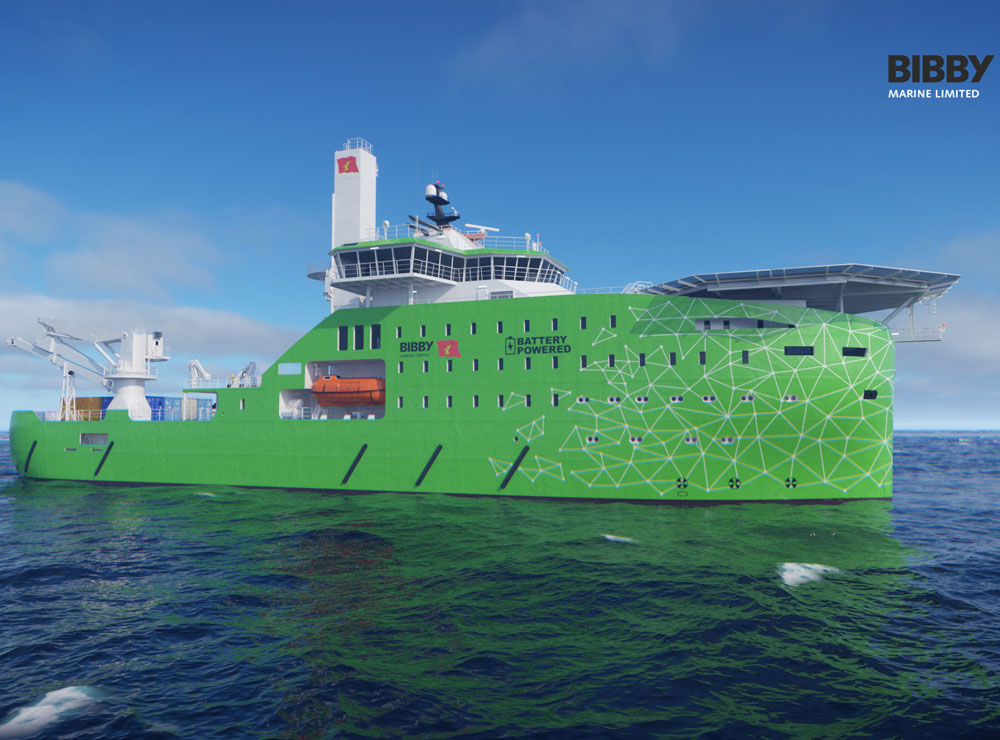
That’s the challenge accepted by offshore services provider Bibby Marine, inspiring the development of its 89.6m electric commissioning SOV (eCSOV) concept. Incorporating dual-fuel engines and possibly the largest battery pack in this sector, the vessel is poised to overturn quite a few assumptions about what batteries can and cannot do in the field. With the ability to operate emissions-free for more than 24 hours in DP mode, and to recharge directly at windfarms in less than five hours, the eCSOV’s goal is to slash CO2 emissions while still effectively competing with traditional, conventionally fuelled SOVs.

Having completed the concept design in partnership with UK-based naval architects Longitude Engineering, Bibby Marine progressed to basic design and model testing with Spanish ship designer Seaplace. The keel for the eCSOV was laid by Spanish shipbuilder Astilleros Armon in July 2025, with delivery scheduled for mid-2027.

Gavin Forward, head of newbuild projects at BibbyMarine, tells The Naval Architect: “The eCSOV has been designed with maximum operational flexibility, capable of running on diesel, green methanol or battery power — and seamlessly switching between them without any loss of efficiency or operability. While electrification may not suit all maritime applications, it aligns exceptionally well with the operational profile of CSOVs, particularly in terms of predictable, daily power demand in-field.”

The vessel’s flexibility in fuel choice is crucial for now, given current gaps in shore-based charging infrastructure. “Once shore and offshore charging become standard, we could put the whole operational envelope under battery power,” says Forward. “Globally, most wind farms are located within 40nm of port and we have a range of over 130nm on battery power. We would never have to use any fuel – but, in reality, we just don’t have that shore power availability in the UK right now. So, the idea is to sail to the windfarm on traditional fuel or green methanol; then operate in-field on electric power, before sailing back to port on fuel; and then conducting all port operations on batteries with zero emissions.”
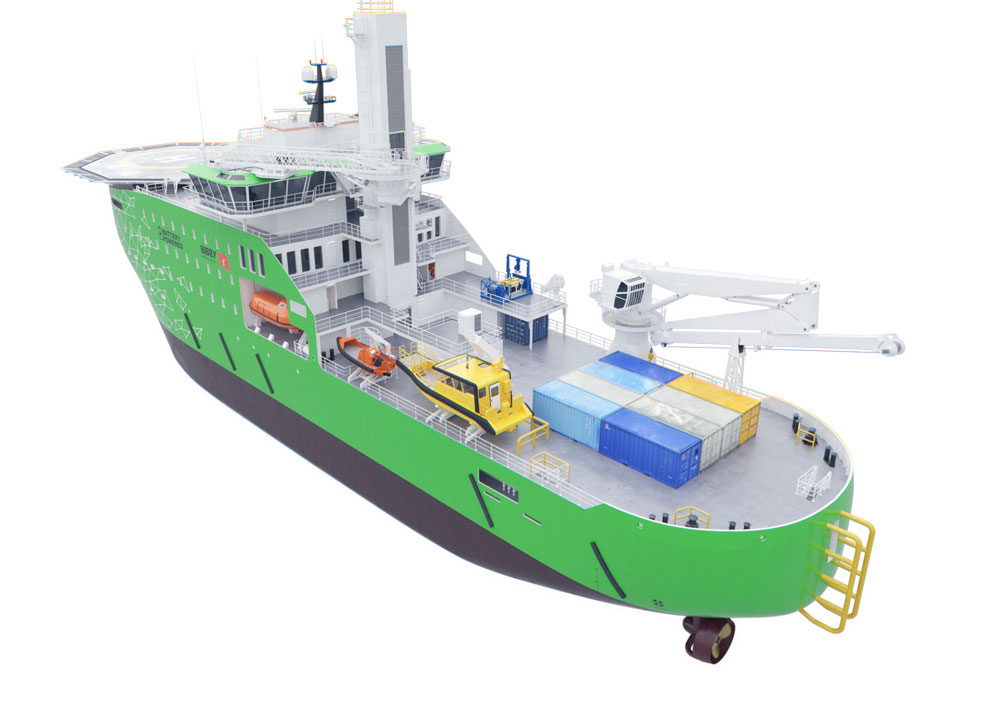
Astilleros Armon will deliver the eCSOV in 2027

Key to the success of electrification of offshore wind operations is the ability to charge the vessel directly in-field. Several suppliers are working on solutions, with some prototypes and smaller CTV charging systems having been deployed by the likes of Stillstrom, MJR Power & Automation, Oasis and Seaonics, to name but a few.

Typically, the offshore charging system would be mounted on a turbine, a monopile, a substation or an on-site buoy. Forward reveals: “We’ve been trialling all solutions and approaches, so that we’re prepared for whatever becomes the industry standard. We think installing the charging system on the monopile is going to be the best technical option, but it depends on how developers want to set up their fields.” The eCSOV will remain in DP mode for charging, maintaining positioning on battery power and obtaining a full state of charge in less than five hours, with a once-per-day charging cycle.

The eCSOV is designed to primarily operate on battery power, with the engines only being used to charge the battery pack where offshore charging is not available, or during longer transits. The dual-fuel engines run at a fixed, optimised load and speed, and recharge the batteries when required, rather than directly powering the vessel or using the batteries to supplement engine power, which is a more typical approach in hybrid set-ups. Bibby Marine has calculated that the eCSOV’s 24.4MWh lithium iron phosphate battery pack can run for more than 24hours between charges in calm conditions; for more than 20 hours in a medium sea state; and for more than 15 hours in rough conditions.


For the full, in-depth story and technical particulars, check out the August 2025 issue of The Naval Architect
EV Maritime's EVM200 enables Auckland commuter charge

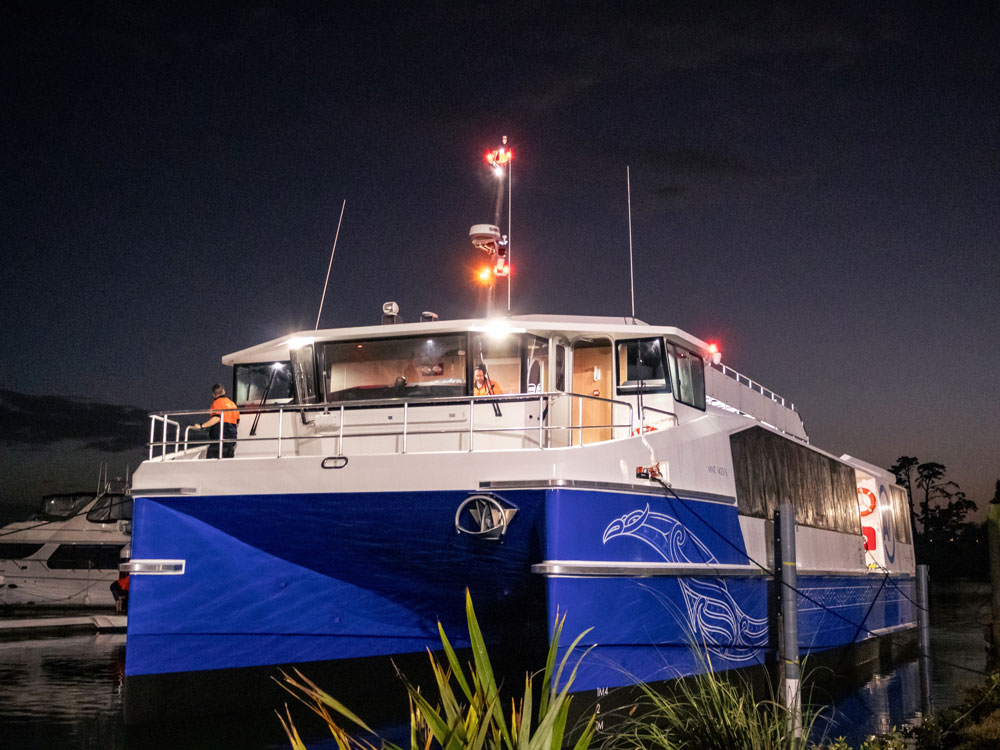
New Zealand-based electric ferry designer EV Maritime has announced the launch of its first pure-battery urban ferry, the EVM200. Developed with support from the New Zealand Government for operation by Auckland Transport, the 24m-long EVM200 will provide a passenger service between downtown Auckland and the suburb of Half Moon Bay, spanning 16km. The debutante is the first of two vessels in this class, each being capable of a service speed of up to 25knots and a range of up to 32km. 

According to EV Maritime, diesel-powered ferries undertake approximately 6 million passenger journeys in Auckland annually, guzzling 13 million litres of fuel and emitting 34,000tonnes of CO2. The roll-out of the EVM200 models is intended to correct this pollution, while simultaneously “maintaining the reliability and convenience of water-based public transport”, says EV Maritime CEO Michael Eaglen. He adds: “Our technology-transfer business model also supports local shipbuilders in becoming electric vessel manufacturers – boosting regional capability and growing confidence in sustainable solutions.” 

Each vessel accommodates up to 200 passengers on the enclosed main deck, while the upper deck offers additional seating for 30 people. EV Maritime adds: “Amenities include three restrooms – one of which is ADA-accessible – and a small onboard kiosk serving barista coffee, cold beer and wine.” Each ferry can also carry up to 20 bikes and scooters in an enclosed area with racks. 

The ferry type’s naval architecture and design was led by EV Maritime, with Finland’s Danfoss providing the motors and power electronics and compatriot tech specialist HamiltonJet supplying the boat’s four LTX-model waterjets. For this project, EV Maritime also collaborated with the Auckland-based competitive sailing team Emirates Team New Zealand on the hull, developing a “low-drag, low-wash” hullform for efficient operation at cruising speeds, EV Maritime says. The hull has been built from carbon-fibre composite, with McMullen & Wing handling ship construction duties. 

The debut EVM200 vessel also features the first maritime deployment of the CharIN Megawatt Charging System (MCS), a fast-charging solution that has previously been used to power electric trucks and buses. The system can reportedly deliver up to 3.75MW of power, significantly reducing charging times for large battery packs to 15-20 minutes in some cases.  

EV Maritime comments: “The journey between downtown Auckland and Half Moon Bay takes approximately 35 minutes. While the ferry’s batteries hold enough energy for a full round trip, the vessel will typically recharge during a 10-minute turnaround at the terminal [at Half Moon Bay], using two MCS inlets rated 1.1MW each.” This shoreside power upgrade has also been overseen by Auckland Transport.

Looking beyond its borders, EV Maritime says it is expanding internationally and that more electric ferry launches are in the pipeline. For example, the company established a North American branch in 2024, and is currently working on a plug-in hybrid-electric vessel for Angel Island Tiburon Ferry, for operations in the San Francisco Bay Area. This project is being funded by the California Air Resources Board (CARB) to the tune of US$12 million, and the vessel, scheduled for launch in Q1 2027, will feature a length of approximately 20m. Additionally, the operator intends to retrofit two of its existing ferries with electric motors in early 2026.  

EV Maritime is also working with Canadian boatbuilder AF Theriault to deliver up to five all-electric ferries to Halifax Regional Municipality, in a contract valued at just under US$190 million. These newbuilds, which will operate in Nova Scotia, are slated for completion between 2027-2028. 

Frigate-building first for Colombia

The Colombian Navy has embarked on an ambitious project to build a new class of frigates in Colombia, in so doing becoming only the third South American country, after Brazil and Mexico, to build ships of this type.

The frigate programme, which dates back to 2007, forms part of an ambitious programme agreed between the Colombian Navy and Cartagena-based COTECMAR for the construction, integration, testing and commissioning of: the first ‘Plataforma Estratégica de Superficie (PES)’/strategic surface platform frigate; an ‘oceanic patrol vessel’ that is currently under construction; and a logistic support vessel. The three ship types form part of the Colombian Navy’s 2042 Naval Development Plan that will upgrade its fleet and, it is hoped, create thousands of jobs in the country, strengthening Colombia’s defence industry and self-sufficiency. 

Based on Damen’s SIGMA 10514 design, previously built for Indonesia and Mexico, the PES frigates will replace the Colombian Navy’s ageing Amirante Padilla-class frigates, and will be built in Colombia with technical support from the Dutch yard. Following completion of the initial contract with COTECMAR, Damen Naval in August 2024 signed a contract for the delivery of engineering, technical support and shipbuilding materials and equipment for the first frigate in what is expected to be class of five vessels. Construction of the first frigate at COTECMAR is due to get underway by the end of 2025, and delivery and commissioning is due to take place in late 2029 or early 2030. 

Shortly after the construction contract was agreed, Damen Naval also agreed a contract with class society Lloyd’s Register (LR) for full plan approval for the PES. A number of contracts have recently been confirmed with leading suppliers for systems and equipment for the frigates. Damen Naval has agreed a contract with Nevesbu for the platform engineering for the PES frigates, and Swedish defence firm Saab will provide the combat management system (CMS) for the first of the new frigates, under which it will fit the PES with systems including Sea Giraffe 4A radars, 9LV combat management and fire control systems, a Ceros 200 radar and optronic tracking system, plus EOS 500 electro-optical fire-control directors. 

In June 2025, Kongsberg Maritime signed a contract with Damen Naval to supply twin controllable-pitch propellers and shaftlines for the vessels. At about the same time, Alewijnse was awarded a contract for the design, engineering and testing of all onboard electrical systems, a deal that includes full cable routing across the vessel and the supply of key systems such as power management, propulsion, entertainment and navigation lighting. Alewijnse will provide the drives for the frigate’s propulsion system in partnership with Van Meer, a longstanding partner of Damen Shipyards. It will also supply the ship’s integrated platform management system, which will be developed and delivered in cooperation with Praxis Automation, and integrated bridge management system, which will be supplied in collaboration with Anschütz.  

With a length overall of 107.5m and a beam of 14.02m, the frigates will enhance the Colombian Navy’s anti-submarine and anti-surface vessel capability and its ability to project power in the region. Displacing 2,808tonnes, the newbuilds will have a crew of around 100 and range of up to 8,200nm. They will have a maximum speed of 26knots and a combined diesel or electric (CODOE) propulsion system based on two 10MW diesel engines and electric motors, and one 200kW and four 940kW diesel generators.  

Relatively few details have been confirmed about the frigates’ weapon systems, although they are expected to be fitted with a vertical launch system for air defence missiles, and with surface-to-surface missiles. BAE Systems will provide the Bofors 40 Mk4 main gun for the vessels, which will form part of their anti-air and anti-surface vessel capability.  

Foiling into ferry territory

The sleek, black trimaran set outside Seawork’s main gate this summer was riveting, and not just for its triple-hulled design: more unusual were the bright orange foils extending beneath. However, what’s important isn’t novelty and excitement: rather the reverse. The idea, underlines Chris O’Neill, technical director at Chartwell Marine, is to explore how foiling can be made more reliable, robust and, for ferry operations, a safer bet in all senses. Yet, there are still questions that need to be answered to determine the next steps for this collaboration between Chartwell, Newcastle Marine Services and Solent University.

The 9.4m-long Solent TriFoiler has been running sea trials for the last few months under the UK’s Clean Maritime Demonstration Competition (CMDC3). First of the proven ‘wins’ is that the TriFoiler is five times cheaper to run than an equivalent fossil fuel-powered monohull. Likewise, it could have several times the endurance of a similar, fully electric displacement vessel.

But how does it compare with other foiling designs? This prototype also demonstrates that, compared to a monohull or catamaran, a trimaran form lowers the power required to get up to foiling speed. “Normally, you’ve got your highest resistance just before take off because you’ve still got the hulls in the water,” explains Solent University’s senior design and engineering lecturer Giles Barkley. The TriFoiler does things differently. By lifting the two, shorter sponsons slightly before the main hull, it lowers ‘peak’ resistance and effectively spreads take-off loads. As a result, this approach can reduce installed power and therefore weight.

Further, Barkley explains, once you’re foiling, drag drops significantly anyway: “Take off might be at 10-12 knots – but you can go straight to about 18-19knots for roughly the same power.” Barkley adds that, when foiling, “it’s running on about the equivalent of three electric home showers: roughly 27kW”.

The TriFoiler’s total beam is 3.7m and the sponsons have a beam of around 0.4m each, while the main hull measures 1.1m at the waterline. As Barkley explains: “You want the displacement in narrow hulls for take-off and landing.” Likewise, the wetted surface has a high length-to-width ratio to minimise resistance.

While the prototype holds enough room for the driver, power and controls, a larger ferry version should be capable of carrying 35 or 40 passengers. Therefore, this prototype could eventually provide the basis for a 24m foiling ferry with a couple of hundred kilowatts of batteries onboard, capable of speeds of 26-28 knots in categorised waters – up to around 1.5m Hs. “The eventual design is aimed at being able to take on off-peak runs between Southampton and Cowes,” explains O’Neill, “but using a lot less energy than current fast ferries, which burn huge amounts of fuel even when empty. This boat has roughly 50kWh of batteries, but that takes it surprisingly far. If you scale up to a full-size ferry, it could probably do around two return journeys before you’d need a recharge.”

Top of the list of notable differences between this and other foiling designs is simplicity. There is a reason that foiling is often called ‘flying’: the physics are very similar to that of aircraft and so far, they equally rely on sophisticated articulation – even down to ‘ailerons’ on the foils’ trailing edge. But the forces are several hundred times greater since water is thicker: plus, it can come with unexpected lumps in the way of debris or biofouling.

In short, there’s potential for failure. O’Neill asks: “Do we believe that it’s realistic to demand operators carry out a complete set of preflight checks on all the foiling systems – as you would on an aircraft –  before going up onto a foil at high speeds with a lot of passengers onboard?” Therefore, this alternative aims to keep it simple. The central twin-legged foil has two pod propellers of 20kW each, set at the crosspieces, but it’s a fixed design with no ailerons or other flaps to control lift.


For the full, in-depth article, don’t miss the August 2025 issue of The Naval Architect
PALFINGER PFM crane series: Reaching a New Level in Outreach and Performance

PALFINGER MARINE will be launching its newest addition to the PFM crane series at the Aqua Nor in August. The heavy-duty foldable knuckle boom cranes are designed to meet the growing operational demands of the aquaculture industry.

At the Aqua Nor, PALFINGER will present the newest addition to its PFM series, the PFM 1500. With a maximum outreach of 26.7 meters and a lifting capacity of 3,350 kilograms at full extension, the PFM 1500 is the smaller sibling of the PFM 2100. The crane offers the same reliability and versatility in a more compact form. It also features the patented P-profile extension boom system. This allows a wide range of motion and outreach, while ensuring the strength and stiffness needed for demanding lifting tasks. The innovative design improves the crane’s performance by enhancing stability while keeping the weight minimal.

Modern design meets uncompromising strength

The PFM 2100 launched last year combines maximum outreach and lifting power while maintaining a low overall weight. With an outreach of over 29 meters, it gives service vessel crews and aquaculture professionals more flexibility and room for numerous applications. Even at full extension, the crane can lift up to 4,000 kilograms. The crane’s optimized structure takes up less space on deck, improves stability, and contributes to better fuel efficiency – important factors for operators at sea.

A series of heavy-duty cranes

Both cranes are part of PALFINGER MARINE’s well-established PFM crane series, which also includes the PFM 2500, PFM 3500, and PFM 4500 models. These powerful foldable knuckle boom cranes have proven themselves in field over many years and are known to be robust, reliable heavy-duty machines which can be extended to more than 30 meters. While the PFM 2100 is optimized for speed and outreach, the larger models deliver even more lifting power. With the new PFM 1500, PALFINGER is closing another gap within the series, offering the perfect supplement to its bigger siblings. That way, customized packages tailored to specific operational requirements can be offered. These packages typically combine two or more cranes in coordinated configurations that complement each other in outreach, power, and flexibility.

Product innovations at the Aqua Nor

The first serial unit of the PFM 2100 was delivered to Norway in the first quarter of 2025 and is already performing jobs in the service vessel segment on the FDA Niklas. The second PFM 2100 is installed on the FDA Emilie. At the Aqua Nor, PALFINGER MARINE will be sharing a booth with its long-standing local partner Bergen Hydraulic, where a scale model of a multi-purpose service vessel will be displayed – equipped with the new PFM 1500, PFM 2100 and PK 41002 M.

Visit our partner booth A-164 at the Aqua Nor from August 19 to 21 in Trondheim, Norway, and explore our latest lifting innovations.


PALFINGER MARINE, an integral part of the PALFINGER Group, is renowned as the leading supplier of sophisticated and reliable deck equipment as well as lifesaving appliances.

LR workshop lends impetus to hybrid-nuclear SLV

A collaboration between class society Lloyd’s Register (LR), nuclear battery manufacturer Deployable Energy and naval architect Seatransport aims to realise a 73m-long, hybrid-powered stern landing vessel (SLV) incorporating two modular micro reactors (MMRs), in what may prove a step forward for the use of nuclear energy at sea.

The SLV project was given renewed focus after LR and its partners conducted a hazard identification workshop to assess the risks related to the installation of MMR technology aboard ships. The workshop, which was hosted at Seatransport’s HQ in Australia, focused on risk management strategies, regulatory frameworks, safety systems and vessel design – and shared “key insights into the feasibility and requirements for operational readiness once the vessel meets nuclear licensing requirements”, LR says.

The proposed SLV would have the ability to supply power to Pacific islands hit by cyclones and resulting energy blackouts. Seatransport comments: “At 14knots, the MMR-powered vessel can cover the region quickly and provide power to stricken areas to aid rescue efforts.” The SLV would also carry 84 container units, which could be repurposed as medical stations, sleeping areas and toilets for 750 people.

Besides emergencies, the SLV’s MMRs would be used to provide energy to islands and remote areas, helping their residents to reduce their dependence on costly diesel imports. Seatransport says: “For remote areas visited regularly, a simple concrete ramp and berthing pile should be installed.” However, the company adds, “cyclone-proof mini-ports” should also be constructed to shield the SLV from rough weather conditions when it is positioned alongside, supplying power to the grid.

The partners claim the MMRs will enable the vessel to operate for eight to 10 years without the need to refuel. Dr Stuart Ballantyne, Seatransport chairman, adds: “I believe [nuclear propulsion] for commercial ships…is within reach and will be commonplace by 2030.”

Houston-based Deployable Energy, meanwhile, is developing its Unity nuclear battery, intended to generate 1MW of electrical power. Physically, the Unity-powered MMR has been designed to fit inside a standard 20’ shipping container, making it transportable by truck, ship or cargo aircraft. Described as a “plug-and-play system”, it has been developed for rapid set-up and deployment, reportedly taking no more than three days to install.

Bobby Gallagher, Deployable Energy CEO/CTO, comments: “Powered by our Unity nuclear battery, this next-generation vessel runs cheaper than conventionally fuelled ships, using safe, standard fuel with no exotic materials.” Looking beyond this project, Gallagher adds: “Our target is to have 100,000 nuclear batteries deployed by 2040, with a delivered cost of US$0.05 per kWh.”

LR will provide approval in principle (AiP) to the finalised design.

Multinational team to build US Coast Guard icebreaker

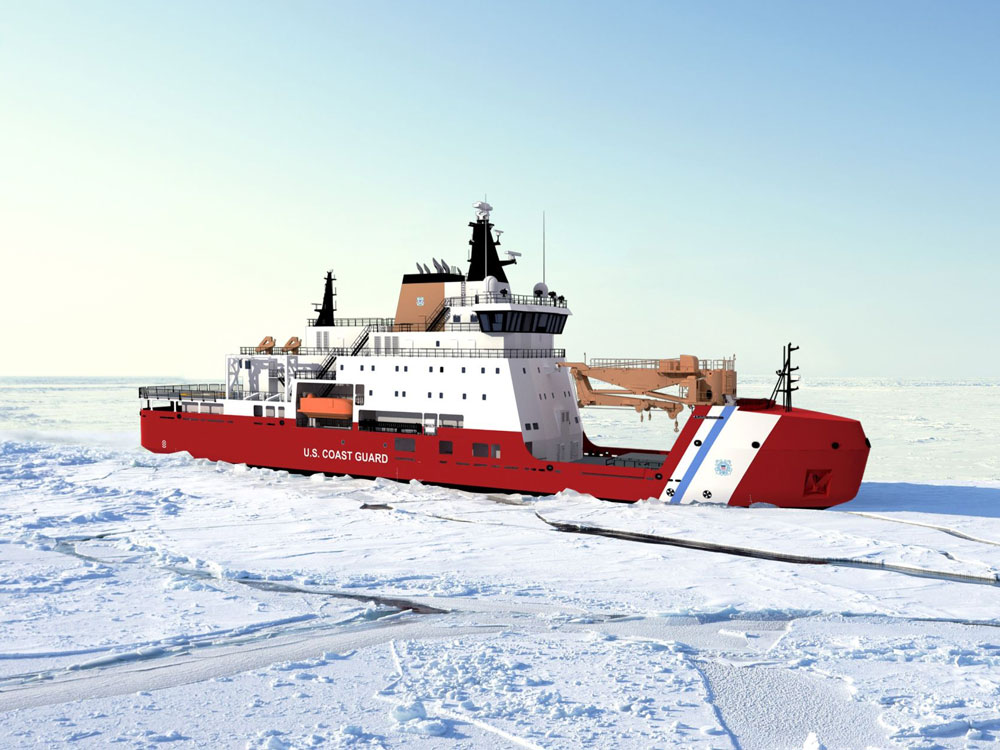
An industry team comprising Bollinger Shipyards, Rauma Shipyard, Seaspan Shipyards and Aker Arctic have formed a partnership to deliver the Arctic Security Cutter (ASC) for the US Coast Guard (USCG).

Bollinger says the partnership is “a deliberate effort to strengthen the US industrial base, expand America’s shipbuilding capacity and equip American workers with the skills to lead in a new era of strategic competition through the transfer of knowledge, technology and design expertise needed to build the next generation of icebreakers in the US”. Rauma Shipyards president Mika Nieminen says: “We are prepared to begin construction immediately, leveraging a mature design and deep experience in building technically complex vessels for operation in severe winter conditions.”

Bollinger is the largest privately owned shipbuilder in the US and is building the first heavy icebreaker in the US in 50 years. It has built nearly 200 vessels for the USCG. Rauma is known globally as an ice-class shipyard. Seaspan Shipyards is the Canadian subsidiary of US-based Washington Companies and is currently delivering the largest orderbook of ice-capable vessels in the world. Aker Arctic developed most of icebreaking designs currently in operation.

Bollinger says the MPI design meets USCG requirements, exceeds all ASC requirements and supports all 11 statutory missions assigned to the vessel. With the ability to break 1.2m of ice, the vessel has a range of 12,000nm and can operate for more than 60 days. The consortium says all other designs proposed for the ASC would require significant investment and corresponding ramp-up time, creating risk for schedule, cost and delivery delay.

The partnership leverages the trilateral ‘ICE Pact’ framework between the US, Canada and Finland to answer President Trump’s call to rapidly build a new US icebreaking fleet, with delivery of the first vessel within 36 months of award.

An extra deck for 'Stena Foreteller'

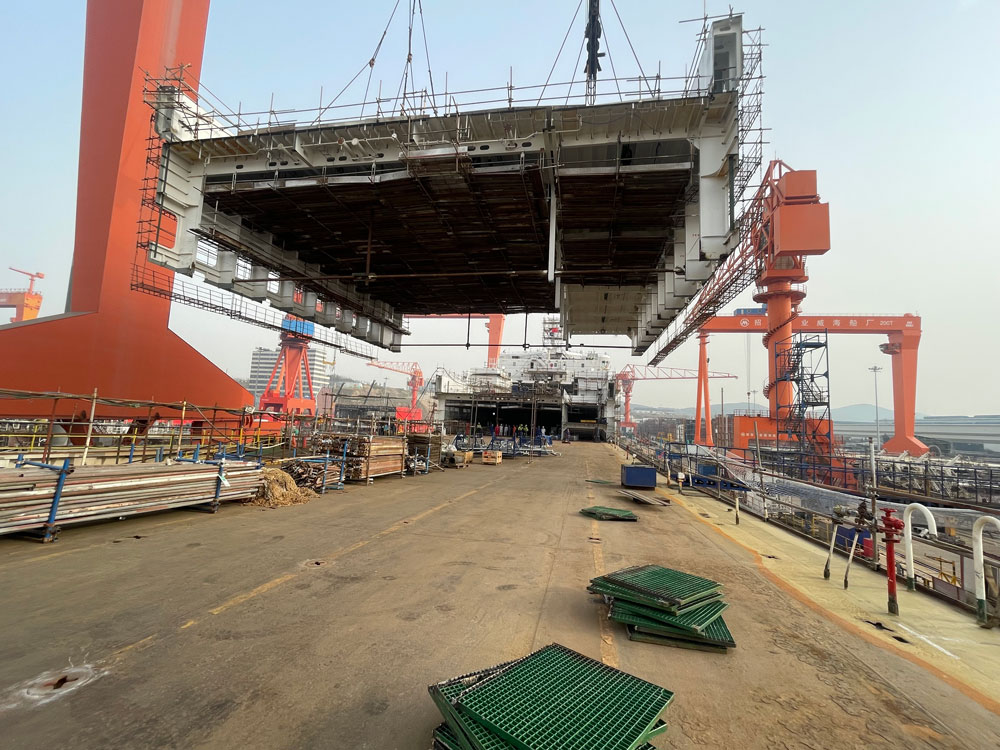
North Sea ferry Stena Foreteller recently returned to service on the Rotterdam-Immingham route following a major rebuild and renovation project, including an additional new cargo deck providing a 30% increase in capacity.

Stena RoRo undertook the work at CMI Jinling in Weihai, China, where the vessel was fitted with a fourth vehicle deck on top of the existing three, increasing freight capacity from 3,000 to 4,000 lane metres.

The vessel has also been equipped with a shore power connection system, which will reduce CO2 emissions while in port. Due to the additional deck, the wind exposed area has increased, placing greater demands on the vessel’s manoeuvrability and mooring. As a result, the bow thrusters have been upgraded for increased capacity, and additional mooring winches have been installed.

Furthermore, minor repairs and preventive maintenance have been carried out, and some onboard systems have been upgraded to newer versions. As part of the rebuild, Stena Line has also repainted the vessel.

Stena Forerunner, the sister ship of Stena Foreteller, will undergo the same rebuild starting at the end of summer.

Robotics key to UK offshore wind growth

The UK offshore wind industry must exploit robotics and autonomous systems to the hilt if it is to thrive, according to a report issued by the Offshore Renewable Energy (ORE) Catapult.

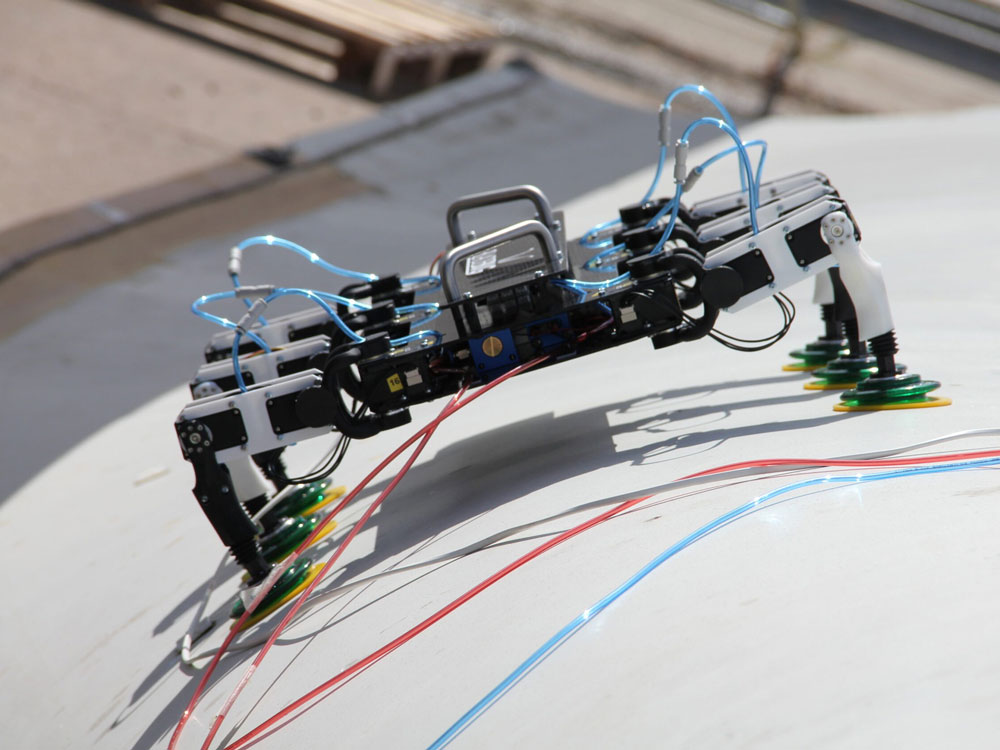
Titled Robotic & Autonomous Systems For Operations and Maintenance In UK Offshore Wind, the report, produced in partnership with Innovate UK’s Workforce Foresighting Hub and sponsored by RenewableUK, claims that robotics provide “an efficient alternative” to personnel working offshore, especially for tasks such as turbine blade inspections.  

“There are currently 30,000 blades at UK offshore and onshore wind farms,” says ORE Catapult, pointing out the additional presence of “10 million bolts” that must be regularly checked for “loss of tension and integrity”. ORE Catapult adds: “There are 40,000 people currently working in the offshore wind industry. To meet the UK’s Clean Power 2030 targets, this workforce is forecast to increase to at least 74,000. A big uplift in the development of robotics and autonomous systems is required, alongside a workforce that has the skills to realise its full potential.” 

Scott Young, RenewableUK’s head of skills, says: “The UK is set to ramp up offshore wind deployment significantly in the years ahead to meet the government’s targets of clean power by 2030 and net zero by 2050. We will be building new projects in deeper and more remote waters where using state-of-the-art robotics is the safest option, and therefore the most appropriate course of action.”

The report calls for expanded robotics content in existing college courses and greater opportunities for on-the-job training in this field. It also urges increased industry collaboration, recommending that turbine manufacturers and wind farm developers work more closely with robotics designers to optimise operations.

The report can be downloaded for free at the https://ore.catapult.org.uk/

Barging into greener territory

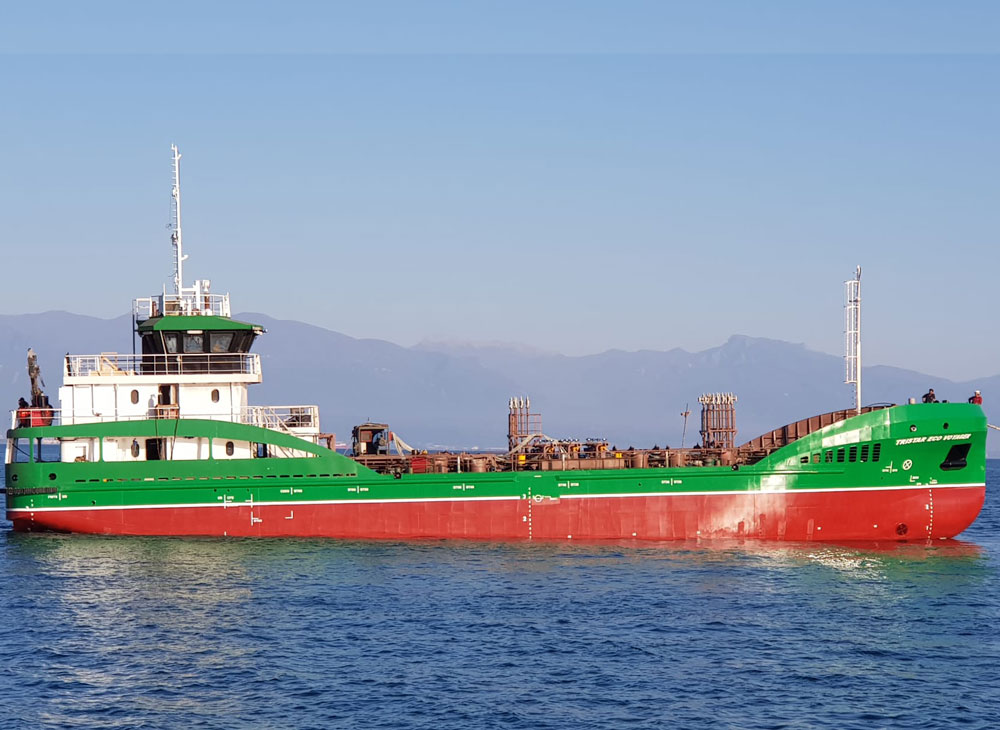
Tristar Eco Voyager, a new type of bunker tanker built in Turkey by Akdeniz Shipyard, was recently been delivered to UAE-based Tristar Eships. The company will deploy the vessel out of Fujairah, where it will be well positioned to meet the lube oil needs of vessels at the nearby anchorage. 

The new hybrid, battery-driven lube oil barge is commencing operations in the UAE in July. The 46.5m-long, 9.5m-beam and 3m-draught vessel will have a 730m3 bunker fuel capacity and an estimated service speed of 10knots. The Bureau Veritas (BV)-classed vessel is the first hybrid tanker to operate in the Middle East Gulf, and is expected to lower carbon emissions significantly compared to existing tonnage deployed by the company. 

The vessel can run on MGO, biofuel or battery power. This not only adds to operational redundancy but also enhances sustainability through the reduction of carbon emissions. Tristar has installed a 1.4MW battery from Yinson EV on board, and in routine operations it is expected that this will last for six to eight hours before needing recharging, depending on weather conditions and the precise nature of the operation. The battery will take around eight hours to charge up to about 95% capacity, and this should permit the vessel to make two bunker deliveries a day on battery power alone.

The battery will be used for propulsion as well as for the hotel load on board the vessel, which has the capacity for 10 crew members. The vessel has been designed so that it can operate on battery alone, diesel fuel alone or a combination of both. A propulsion motor, supplied by Danfoss, has been installed to offer a high degree of redundancy, supported by two 300kW Volvo Penta gensets. Tristar has opted not to have a main engine on the vessel, with the propulsion motor using power from either the gensets or the battery to propel the tanker. Tristar has calculated that there will be a carbon emissions reduction of more than 50% compared to conventional vessels of this type. Moreover, if operated on B-100 biofuel, this could be increased to a 100% reduction in emissions. 

While the core element of the design, in terms of sustainability, is the battery power provision, the vessel has been designed following CFD tests to ensure minimum drag and high levels of efficiency for its class. BV has added the notations ‘PM’ (power management) and ‘ZE’ (zero emissions) to the standard notations of a vessel of this type.