40 under 40

Take 10 seconds to nominate a colleague, mentee or friend for our Forbes-style list. Must be under the age of 40 in 2026. Open to all maritime professions associated with naval architecture. See eligibility criteria. [hyperlinked].  
 

Nominate with LinkedIn profile 


JOIN TO ADVANCE

Renowned for the technical excellence of our events, publications and learning, we offer career pathways for naval architects and 16 associated professions [hyperlink to 16 professions].

join to influence

We cover everything from super yachts and green propulsion to warship resilience. Network 1-2-1 with top talent at our events or influence the maritime industry by joining one of our comittees.  

JOIN TO INNOVATE

We promote the interdisciplinary conversation at the heart of maritime innovation. Speak at our events, publish in our journals or simply join the discussion forums on our website.  

Not quite ready to join yet? 


?? HOW?? FILL IN EMAIL HERE AND SIGN UP WITH 1 CLICK 

DISCOVER

View All

>

UKNEST focuses on material risks

Detail Link
>

Fresh firefighting tactics urged for alt-fuels

Detail Link
>

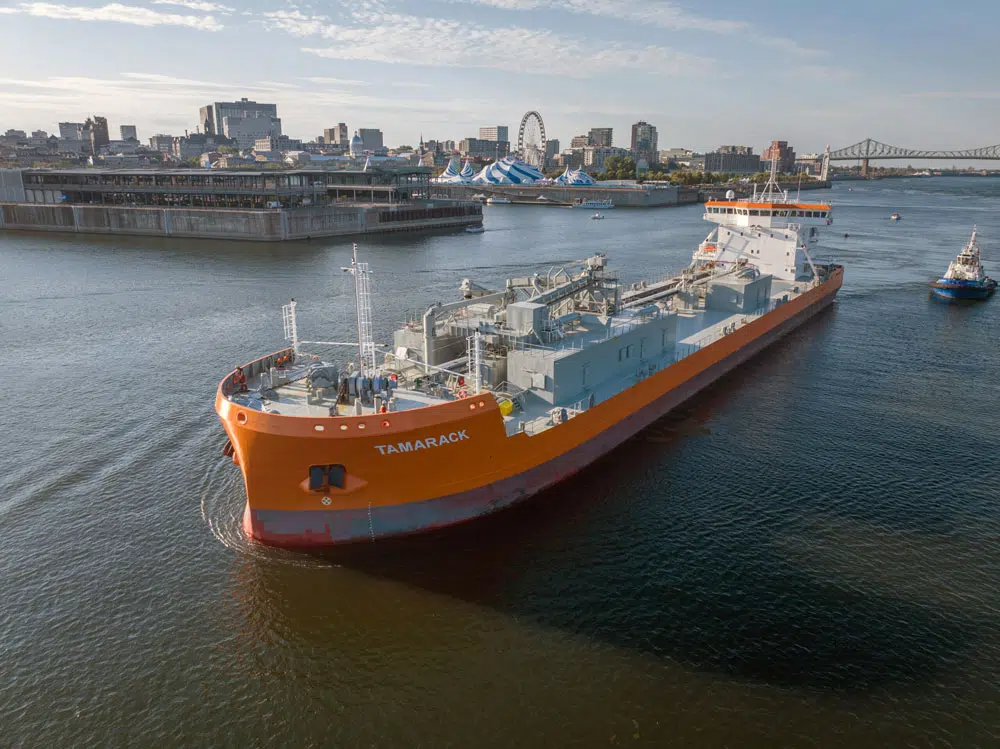
Greener bulk runs for the Great Lakes

Detail Link
>

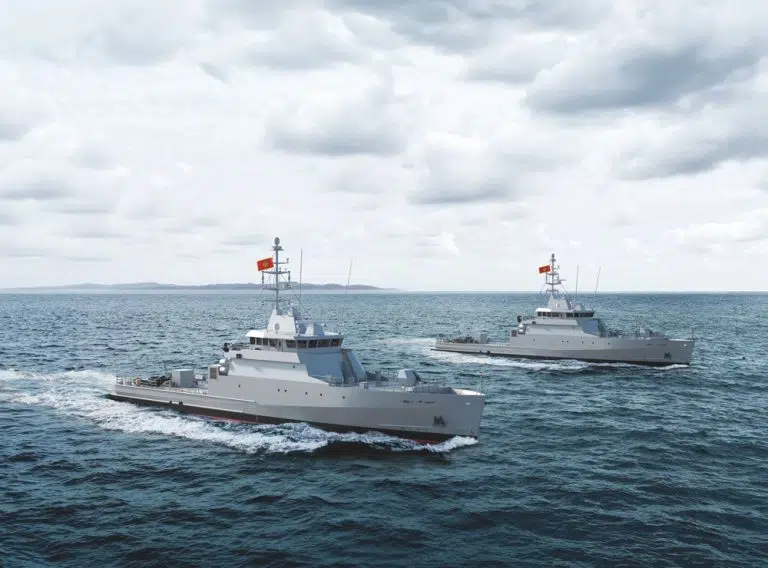
Defence duo under construction for Montenegro

Detail Link
>

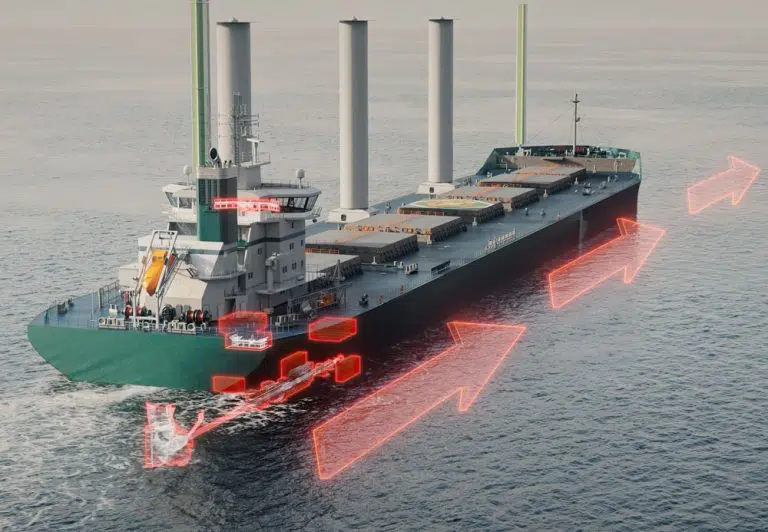
Kongsberg's K-Sail aims to bring it all together

Detail Link
>

Arksen and RAD Propulsion team up for "revolutionary" craft class

Detail Link
>

Repair round-up: LNG conversion work, FLNG upgrades

Detail Link
>

Preview: Student innovation still going strong

Detail Link
>

Dual-fuel propulsion upgrades for container ship sisters

Detail Link
>

UK expands attack submarine programme in response to SDR

Detail Link


???HOW??? what is the best slice to display TESTIMONIALS [LARGE photo + COLOURED BACKGROUND with LARGE quote imposed over it?]

  • Graduate Naval Architect [eg. Aidan Atkinson]

  • Prime Career [eg. Chris Nair]

  • Iconic Status and Giving back to Global Community [eg. Ian Buxton]

 
Global Events Connecting Maritime Leaders


Events


From flagship international conferences to specialist technical seminars, RINA events bring together experts, innovators, and professionals to share knowledge and shape the future of naval architecture.


Explore Upcoming Events
Events

Lorem ipsum dolor sit amet, consectetur adipiscing elit, sed do eiusmod tempor incididunt ut labore et dolore magna aliqua. Ut enim ad minim veniam, quis nostrud exercitation ullamco laboris nisi ut aliquip ex ea commodo consequat. Duis aute irure dolor in reprehenderit in voluptate velit esse cillum dolore eu fugiat nulla pariatur. Excepteur sint occaecat cupidatat non proident, sunt in culpa qui officia deserunt mollit anim id est laborum.

View All

CORPORATE PARTNERS

Using AI to fast-track maritime nuclear licensing
Ship repair and retrofit trends boost Seatrium
SPONSORED: FleetguardFIT™ Reduces Service Cost by 50% for Marine Customer
Alt-fuel adoption on the ascent, DNV notes
Green Marine dives deep with new subsea-focused investment
Fincantieri stacks up cruise build and repair work
New Logistics Support Ship designs from Damen
Call for UK to exploit 'unique' nuclear opportunity
Build it smart: UK yards must tackle AI and robotics skills gap
Heavy-lift muscle for Japanese wind farms
Four more Type 212CD subs for German Navy
Drones partner up for subsea asset checks
"Significant milestone" for homebuilt Indian Navy vessels
New IACS recommendation for shore-to-ship power
Damen repair division invests further in sustainability

HEADING


Lorem ipsum dolor sit amet, consectetur adipiscing elit, sed do eiusmod tempor incididunt ut labore et dolore magna aliqua.


CLICK HERE

HEADING


Lorem ipsum dolor sit amet, consectetur adipiscing elit, sed do eiusmod tempor incididunt ut labore et dolore magna aliqua.


CLICK HERE

Contact Us

Get in touch

Lorem ipsum dolor sit amet, consectetur adipiscing elit. Aliquam aliquam arcu nec dictum cursus. Phasellus porttitor vitae mi vitae interdum. Fusce eu libero et eros pharetra posuere. Class aptent taciti sociosqu ad litora torquent per conubia nostra, per inceptos himenaeos.

Lorem ipsum dolor sit amet, consectetur adipiscing elit, sed do eiusmod tempor incididunt ut labore et dolore magna aliqua. Ut enim ad minim veniam, quis nostrud exercitation ullamco laboris nisi ut aliquip ex ea commodo consequat. Duis aute irure dolor in reprehenderit in voluptate velit esse cillum dolore eu fugiat nulla pariatur. Excepteur sint occaecat cupidatat non proident, sunt in culpa qui officia deserunt mollit anim id est laborum.

The Bundestag and the Federal Government have agreed to exercise an option to procure four more Type 212CD submarines for the German Navy. The contract for the new submarines, which are being acquired by the German Navy and Royal Norwegian Navy under a joint programme, is one of the largest secured by thyssenkrupp Marine Systems.

The deal was initialled by the president of the Bundeswehr Procurement Agency, Annette Lehnigk-Emden, and thyssenkrupp Marine Systems CEO Oliver Burkhard in late December 2024. Germany will now build six Type 212CDs. Norway has also recently signalled its intention to increase the number of submarines it builds under the joint programme from four to six.

Speaking as that deal was confirmed, Burkhard said: “A turning point in history is finally arriving in the maritime sector. We are delighted at the trust that the German government has once again placed in us with the additional order. We are making a decisive contribution to Germany’s response to changing times and strengthening our defence capabilities with this strategically important project between Germany and Norway.”

The Type 212CD submarines will be significantly more capable than the German Navy’s existing Type 212A boats, with enhanced situational awareness, superior networking with allied units and a reduced signature.

In advance of the construction of the submarines, thyssenkrupp Marine Systems has invested more than €250 million at the company’s yard in Kiel, including a new shipbuilding hall. The group has also acquired additional shipyard capacity at the former MV Werften site in Wismar, to be able to build submarines and surface vessels there at the same time.

“Our order books are well-filled and we are strongly positioned nationally and internationally,” said Burkhard, noting that now that the number of Type 212CD submarines on order has been increased, other countries could join the project in the near future. “Our strong position has now become even stronger,” he concluded.

A team-up between boatbuilder/USV manufacturer Tuco Marine and maritime survey tech company EIVA aims to establish an all-in-one autonomous package for subsea asset inspections, matching a Tuco-built ProZero 8m Naval Intelligence USV to EIVA’s ViperFish remotely operated towed vehicle (ROTV).

In practice, the USV would sail to an area of interest, towing and remotely launching the ViperFish. The ViperFish would be equipped with sensors and survey software, and would undertake high-resolution seabed imaging, with area coverage rates of 1.6km2/hr,  while using magnetic signals to monitor subsea assets, such as power cables.

Jonas Pedersen, MD of Tuco Marine, comments: “By combining…our ProZero with EIVA’s ROTV, it’s possible to monitor the conditions of critical subsea infrastructure much more thoroughly and frequently than with conventional set-ups.”

Launched in 2023, the ViperFish measures 3,200mm x 1,300mm x 620mm and is rated for depths descending to 200m. The ROTV is designed for surveys at 2-10knots, and has a reported target positioning accuracy of 1m. EIVA suggests that, when integrated with an USV, the ViperFish can also be used for mine countermeasures, rapid environmental assessment, surveillance and salvage missions.

The commissioning this week of three frontline naval vessels by the Indian Navy marks a “significant milestone in India’s shipbuilding and design capabilities”, according to analytics firm GlobalData.

January 15 saw the entries of INS Surat (163m), the fourth and final unit of the Visakhapatnam class of stealth guided-missile destroyers; INS Nilgiri (149m), the lead ship of the Nilgiri class of stealth guided-missile frigates; and INS Vagsheer (67.5m), the sixth of six Kalvari-class diesel-electric submarines. The vessels were constructed by Mazagon Dock Shipbuilders Limited (MDL), Mumbai.

Rithik Rao, aerospace and defence analyst at GlobalData, writes: “Armed with advanced weaponry such as BrahMos and Barak 8 missiles, both INS Surat and INS Nilgiri provide the Indian Navy with enhanced anti-surface and anti-air warfare capabilities, excelling in both offensive and defensive roles.

“INS Vagsheer excels in a range of operations, including anti-surface and anti-submarine warfare, intelligence gathering and area surveillance. Together, these domestically built platforms demonstrate India’s growing competence in developing cutting-edge naval technologies, thereby strengthening its maritime security and reinforcing its strategic autonomy in defence production.”

Rao adds that India has felt the need to step up its naval defence capabilities due to “the increasing maritime presence” of the Chinese People’s Liberation Army Navy (PLA Navy) in the Indian Ocean Region. “[India] is trying to catch up with its Chinese counterparts in terms of quantity and technology advancements,” Rao says. GlobalData has forecast that India will spend just over US$35 billion on various domestically built naval vessels and subs in the run-up to 2029.

“Shipbuilders such as MDL stand to benefit significantly, leveraging the expertise gained from constructing complex naval platforms,” says Rao. “Such advancements will lay a strong foundation for future collaborations between major domestic defence contractors and many small and medium suppliers in upcoming next-generation submarine and naval vessel construction programmes, ensuring the Indian Navy remains well-equipped to meet evolving challenges in the upcoming decades.”

Speaking at the commissioning ceremony, Indian prime minister Narender Modi commented: “I am happy that our Navy has expanded the ‘Make In India’ campaign to a great extent. In the last 10 years, 33 ships and seven submarines have been inducted into the Indian Navy. Out of these 40 naval vessels, 39 have been built in Indian shipyards.

“Along with increasing the strength of the Indian armed forces, ‘Make In India’ is also opening new doors of economic progress. The shipbuilding ecosystem is an example. Experts also say that the more investment is made in shipbuilding, the more positive impact it has on the economy.”

The International Association of Classification Societies (IACS) has published a new recommendation, titled Rec. 182, to provide a “comprehensive framework” to support the adoption of onshore power supply (OPS) systems.

Rec. 182 was drawn up to provide “detailed guidance for ship designers, builders, operators and owners on integrating OPS systems into both newbuilds and retrofits, while addressing the technical and operational challenges associated with its implementation”, IACS states. The recommendation is intended to complement IMO’s MSC.1/Circ.1675 – Interim Guidelines on the Safe Operation of OPS Service in Port for Ships Engaged on International Voyages, IACS adds.

Subsequently, Rec. 182 outlines aspects such as: ship requirements for OPS; ship-to-shore connection protocols, with an emphasis on safe connection and disconnection; and testing procedures, for both the first connection and periodic check-ups. IACS states: “At the first call at a shore supply point, ships should undergo mandatory tests, including visual inspections, insulation resistance measurements, functional tests of protection devices and integration tests, to ensure proper operation between ship and shore installations.

“If the time between repeated port calls does not exceed 12 months and no modifications have been made, only limited verification tests are required. However, if the interval exceeds 12 months, comprehensive testing as outlined in the document should be conducted.”

Rec. 182 also covers operational safety measures, including the use of suitable PPE, plus ensuring “effective communication” between shipboard crew and shoreside personnel during connection/disconnection procedures. Documentation of OPS operation procedures – which would include circuit diagrams, compatibility assessments and emergency shutdown protocols – is also underscored in the recommendation, as is a pre-connection safety checklist.

IACS says: “The shift towards decarbonisation has placed a spotlight on reducing emissions from seagoing vessels while at ports, where vessels often rely on auxiliary engines that contribute to greenhouse gas [GHG] emissions. OPS, commonly referred to as ‘cold ironing’ or shore-to-ship power, has emerged as a promising solution, allowing vessels to connect to a land-based electrical grid while at berth, enabling their onboard generators to be switched off.” Cold ironing has been credited with significantly cuttting NOx and SOx emissions, plus particulate matter (PM) levels, in port areas, enabling the future development of sustainable ports.

Rec. 182 can be accessed at the IACS website.

Damen Shiprepair Oranjewerf is strengthening its commitment to green ship repair, maintenance, conversion and refit projects with a recent shore power installation. The yard had already installed a shore power unit which was suited to many of its projects. However, with this latest installation, developed by Elma Systems, the availability of clean onshore power, converted to 60Hz, has been widened to cover all types of vessel that call at the yard.

Commercial manager Jeen van der Werf explains: “Previously, we were able to provide shore power at 50Hz. However, we get a lot of offshore, navy and fishing vessels come to the yard for work, and many of these vessels operate on 60Hz.” As a result, he says, the yard often had to hire in a diesel-powered generator; something the company was keen to avoid.

Damen Shiprepair Oranjewerf began discussions with Elma Systems to address this issue. Together, the two companies set about the development of a solution that was more in tune with the yard’s needs, and Elma came up with a rotary convertor, which converts the shore power to the desired 60Hz rating.

The shore power system, which is installed on the yard’s floating dock, can support up to 250kVA. Should more power be required, there is an option to add a battery or secondary power source. The Elma-designed rotary converter is therefore also equipped with a load sharing system.

With this new shore power system now fully operational, Damen Shiprepair Oranjewerf expects to significantly reduce its carbon emissions. As an additional benefit, the wider use of shore power means that the yard no longer has to hire in costly diesel generators, and is, therefore, able to offer its clients a more competitively priced project.

Frequently Asked Questions

Lorem ipsum dolor sit amet, consectetur adipiscing elit, sed do eiusmod tempor incididunt ut labore et dolore magna aliqua. Ut enim ad minim veniam, quis nostrud exercitation ullamco laboris nisi ut aliquip ex ea commodo consequat.

Tab1

Lorem ipsum dolor sit amet, consectetur adipiscing elit, sed do eiusmod tempor incididunt ut labore et dolore magna aliqua. Ut enim ad minim veniam, quis nostrud exercitation ullamco laboris nisi ut aliquip ex ea commodo consequat. Duis aute irure dolor in reprehenderit in voluptate velit esse cillum dolore eu fugiat nulla pariatur. Excepteur sint occaecat cupidatat non proident, sunt in culpa qui officia deserunt mollit anim id est laborum.

Tab2

Lorem ipsum dolor sit amet, consectetur adipiscing elit, sed do eiusmod tempor incididunt ut labore et dolore magna aliqua. Ut enim ad minim veniam, quis nostrud exercitation ullamco laboris nisi ut aliquip ex ea commodo consequat. Duis aute irure dolor in reprehenderit in voluptate velit esse cillum dolore eu fugiat nulla pariatur. Excepteur sint occaecat cupidatat non proident, sunt in culpa qui officia deserunt mollit anim id est laborum.
Frequently Asked Questions

Lorem ipsum dolor sit amet, consectetur adipiscing elit, sed do eiusmod tempor incididunt ut labore et dolore magna aliqua. Ut enim ad minim veniam, quis nostrud exercitation ullamco laboris nisi ut aliquip ex ea commodo consequat.

Tab1

Lorem ipsum dolor sit amet, consectetur adipiscing elit, sed do eiusmod tempor incididunt ut labore et dolore magna aliqua. Ut enim ad minim veniam, quis nostrud exercitation ullamco laboris nisi ut aliquip ex ea commodo consequat. Duis aute irure dolor in reprehenderit in voluptate velit esse cillum dolore eu fugiat nulla pariatur. Excepteur sint occaecat cupidatat non proident, sunt in culpa qui officia deserunt mollit anim id est laborum.
Tab2

Lorem ipsum dolor sit amet, consectetur adipiscing elit, sed do eiusmod tempor incididunt ut labore et dolore magna aliqua. Ut enim ad minim veniam, quis nostrud exercitation ullamco laboris nisi ut aliquip ex ea commodo consequat. Duis aute irure dolor in reprehenderit in voluptate velit esse cillum dolore eu fugiat nulla pariatur. Excepteur sint occaecat cupidatat non proident, sunt in culpa qui officia deserunt mollit anim id est laborum.
Tab3

Lorem ipsum dolor sit amet, consectetur adipiscing elit, sed do eiusmod tempor incididunt ut labore et dolore magna aliqua. Ut enim ad minim veniam, quis nostrud exercitation ullamco laboris nisi ut aliquip ex ea commodo consequat. Duis aute irure dolor in reprehenderit in voluptate velit esse cillum dolore eu fugiat nulla pariatur. Excepteur sint occaecat cupidatat non proident, sunt in culpa qui officia deserunt mollit anim id est laborum.

Tab4

Lorem ipsum dolor sit amet, consectetur adipiscing elit, sed do eiusmod tempor incididunt ut labore et dolore magna aliqua. Ut enim ad minim veniam, quis nostrud exercitation ullamco laboris nisi ut aliquip ex ea commodo consequat. Duis aute irure dolor in reprehenderit in voluptate velit esse cillum dolore eu fugiat nulla pariatur. Excepteur sint occaecat cupidatat non proident, sunt in culpa qui officia deserunt mollit anim id est laborum.

text one

Lorem ipsum dolor sit amet, consectetur adipiscing elit, sed do eiusmod tempor incididunt ut labore et dolore magna aliqua. Ut enim ad minim veniam, quis nostrud exercitation ullamco laboris nisi ut aliquip ex ea commodo consequat. Duis aute irure dolor in reprehenderit in voluptate velit esse cillum dolore eu fugiat nulla pariatur. Excepteur sint occaecat cupidatat non proident, sunt in culpa qui officia deserunt mollit anim id est laborum.

UKNEST focuses on material risks

These days of political unrest mean directly facing another set of challenges: how innovation meets the new realities of warfare. This isn’t just a matter for the UK’s military, but its industry and academic partners too. In fact, the recurring theme of the latest UK Naval Engineering Science & Technology (UKNEST) event made clear that difficult but necessary conversations are on the cards.

So, what is the issue? “Current procurement processes are risk-averse,” says UKNEST’s Science & Technology Working Group co-chair, Jake Rigby. He outlines how the speakers at the organisation’s Advanced Materials conference shared a clear message: this approach to risk can slow, or derail, the acceptance and integration of new technologies and materials at a moment when we may not be able to afford that luxury.

For example, Robin Oakley, principal materials and corrosion engineer at QinetiQ, asks of the many potential developments he’s seen over three decades: why is it that so many haven’t made good on their promise? You can have “brilliant new materials, lots of amazing benefits”, he says. But the inevitable question that follows is: “Are you sure you’re not bringing any new risks to our established design space?”

Submarine developments highlight all these risk concerns and add another dimension. “As we push the boundaries in terms of engineering scope and what’s expected from the actual ship or the boat, material, physical and mechanical properties are being pushed as well,” says Ben Turner, Copper Alloys MD. “With shock loads increasing with each class, we are finding traditional materials are simply not strong enough.” Therefore, Copper Alloys’ part in a case study on doubling the life of the Royal Navy’s Dreadnought-class submarine has focused on an alternative metal. Turner explains: “Just to give you an idea, on one of those boats there might be millions of components.” Problematically, the current offerings don’t necessarily last particularly long in situ. Turner adds: “You’d be surprised how much has to be replaced just to give [the submarine] an extra 10 or 15 years in the sea.”

Look closer, and the number of metals found in these parts is surprisingly low. That’s not because better alternatives can’t be found; it’s because the lists of ‘acceptable’ materials can be years or even decades out of date, claims Turner, adding: “Really, there are just five to 10 metals underpinning all of that complexity. If you could improve on just one of these [affordable, primarily copper-based alloys], you could indirectly improve the lifespan of tens of thousands of components.”

This is where a tougher material that can be manufactured at a reasonable cost, and to timeframes and at scale, comes in. CNC-1 (CuNi30Cr2) is a copper-nickel-chromium alloy in a wrought form, which quadruples the strength of the cast material. Combined with advances in machining capability, it has enabled the production of parts for an equivalent or lower cost than casting structures.

So, while CNC-1 can’t compete with the strength of nickel-based super alloys or super duplex stainless steel, it’s still the toughest of all the copper alloys, retaining electrochemical compatibility with onboard systems and resistance to biofouling. Plus, the expected lifespan of wetted parts is over 50 years.

Despite these benefits, there is no guarantee that CNC-1 will be adopted and used. “Design engineers have to work from a range of alloys that the organisation says is acceptable,” says Turner. “It’s like a straitjacket…this becomes the limiting factor.” Turner adds that it might be high time the sector begins “designing alloys around the engineering requirements instead of engineering requirements around the alloys”.

Even joining materials can be tangled in the web of risk-averse processes. “A lot of fabrication is actually done using arc welding because it’s tried and tested,” comments Robert Scudamore, former associate director of The Welding Institute. That’s despite the potential drawbacks of multiple passes, such as thermal stresses and distortions, and despite the availability of other alternatives.

However, Scudamore hopes that a crossover from friction stir welding (FSW) could make a difference. Initially developed for aluminium, FSW doesn’t melt the material itself, says Scudamore: “You have a pin plunged into the material and it stirs the joint together” – resulting in a thermo-mechanically forged join. Users are now beginning to adapt FSW for more challenging materials: “What we’re trying to do now is progress into steel,” Scudamore adds.

While FSW requires a very hard ‘pin’ and more robust equipment, there are advantages. Take plate strengthening, where the usual approach means adding molten metal into an angle. This requires multiple passes, which create a large heat-affected zone with potential for cracking. Neither are the resulting thick welds particularly easy to inspect. By contrast, the FSW method uses rolled T-sections with a symmetrical, one-shot butt weld and an extremely reduced heat zone. The result is higher-strength joins, increased consistency and reduced distortion. Moreover, Scudamore notes that the tensile strength of the joint is typically 25% higher than that of the parent material.

Fresh firefighting tactics urged for alt-fuels

Updated guidance on tackling ‘non-traditional’ fires, including those involving batteries and alternative fuels, take prominence in the British Tugowners Association’s (BTA’s) recently published Use of Tugs in Firefighting e-doc, which offers industry-standard guidance for tug operators.

“In 2023, over 200 shipboard fires were reported globally, highlighting the urgent need for effective firefighting protocols,” the BTA says. “Additionally, with the growing prevalence of alternatively fuelled vessels, such as those powered by lithium-ion batteries, methanol and ammonia, the guide addresses a critical gap in practical marine firefighting procedures.”

The UK-specific guide (drawn up to comply with SOLAS and Merchant Shipping Act requirements) was developed with input from Lloyd’s Register, UK Harbour Masters, Hampshire Fire & Rescue, REACT Emergency Response, Artemas Academy and Multraship Towage and Salvage, among others. Additionally, Society for Gas as a Marine Fuel (SGMF) and Shipowners P&I contributed to the document. The contents include up-to-date information on areas such as: the legal obligation to assist persons in distress (as outlined in the abovementioned SOLAS/MSA requirements); the importance of conducting regular firefighting drills; and the different categories of FiFi-rated vessel, plus the equipment, monitor types and discharge rates required for each.

The guide notes: “As of May 2025, according to Clarkson’s World Fleet Register, 2,224 vessels in the global fleet [2%] were alternative-fuel-capable.” This is in addition to “an orderbook of 1,991 vessels, representing 52% of the tonnage in the global orderbook”. As such, the techniques traditionally employed to combat hydrocarbon-based fires may prove obsolete when up against alt-fuels like battery packs, LNG, LPG, methanol, ethanol, HVO/FAME, ammonia, hydrogen and even nuclear energy.

For example, the guide explains, while a lithium-ion (Li-ion) battery can store significant amounts of energy, it can be highly dangerous if it overheats and enters a state of thermal runaway, where it keeps producing more heat in a chain reaction. While Li-ion batteries are usually safe, problems occur if the battery becomes damaged, either due to physical impact, overcharging, extreme heat or issues with the battery’s control system.

“Thermal runaway generates large volumes of flammable gases that can catch fire very quickly and may also cause a vapour cloud explosion,” the guide warns. “Gases of a Li-ion battery fire are extremely white and should not be confused with a steam cloud.” When thermal runaway occurs, the battery can reach temperatures exceeding 1,600°C and violently release toxic gases, flames and pieces of the battery itself. This can spread to nearby batteries or flammable materials, rapidly making the fire more intense. The toxic gases form a vapour cloud that can easily explode if it builds up in a confined space without proper venting.

“Lithium-ion battery fires are extremely difficult to extinguish and boundary cooling of the affected area or vessel until the fire burns itself out is often the best course of action,” the guide advises. “The use of fixed firefighting systems on board and water jets for boundary cooling is the most effective known method for control.”

The guide recommends that tugs called in to assist casualty vessels in the event of a Li-ion battery fire consider three factors. Firstly, the internal location of the fire: “due to the intense heat, it is possible there will be structural damage or hull integrity compromised, which could be exasperated through thermal shocking from boundary cooling water”, the guide notes. Secondly, vapour cloud venting: “the assisting vessel should remain upwind, and where possible on the weather side, of the area where the vapour cloud is being vented due to the potential toxic gases and toxic soot”, the guide explains. Thirdly: “the assisting vessel should remain a safe distance from the casualty vessel due to the explosion risk from the vapour cloud”.

Li-ion battery fires are tricky because they can restart days after they seem to have been put out, due to leftover chemical energy in the battery. This means water needs to be applied for a considerable period, though too much water could affect a burning ship’s stability. The water used to fight these fires can also become polluted with toxic metals, which can harm the environment and people’s health, so protective gear is essential for anyone involved in its containment.

Liquid ammonia, meanwhile, is toxic when inhaled: high concentrations of ammonia vapour can cause immediate irritation to the eyes, nose, throat and respiratory system, and prolonged exposure can lead to death.

“A liquid ammonia leak or spill requires a larger exclusion zone than LNG or LPG due to ammonia’s high relative density, which causes the ammonia vapour cloud to sink and pool on the deck or water surface,” the guide says. “It is more persistent and takes longer to dissipate compared to LNG or LPG, requiring larger exclusion zones.”

The most effective way to extinguish ammonia fires, the guide recommends, is “applying water via water spray”. However, crew should be aware that “applying large quantities of water to an ammonia liquid pool will increase the evaporation rate, making the fire larger”. The guide continues: “Water spray on ammonia vapour should be applied with caution, as it may result in the formation of ammonium hydroxide, a corrosive by-product. Recondensing ammonia vapour, in certain scenarios, can reduce the intensity of the release but must be carefully managed to avoid further liquid release.”

Greener bulk runs for the Great Lakes

Lorem ipsum dolor sit amet, consectetur adipiscing elit. Sed sapien sem, malesuada vitae vehicula eget, blandit eu nunc. Pellentesque gravida mi et nibh tincidunt, quis sollicitudin augue tempus. Sed sollicitudin diam et ipsum lacinia rhoncus. Vivamus sit amet velit urna. Nullam eleifend tellus nec elit cursus placerat id eu urna. Ut efficitur purus quis turpis porttitor, vitae egestas arcu faucibus. Donec vel scelerisque dui. In hendrerit, nulla at egestas mattis, erat mauris dapibus sem, ac luctus elit dui in dolor. Sed ut metus sed tellus consectetur vestibulum non sed augue.

Vivamus non lacus finibus, consectetur sapien a, gravida arcu. Aenean molestie, purus ut condimentum posuere, dui dolor volutpat enim, egestas faucibus metus massa sit amet dolor. Proin vulputate lectus ac ultrices eleifend. Integer ligula purus, bibendum vitae risus eget, laoreet blandit erat. Lorem ipsum dolor sit amet, consectetur adipiscing elit. Vivamus imperdiet lorem convallis, gravida ipsum vel, gravida neque. Vestibulum nec nulla ac nisi eleifend hendrerit sed blandit odio.

Vestibulum ante ipsum primis in faucibus orci luctus et ultrices posuere cubilia curae; Donec vestibulum finibus ante, ut elementum ante sagittis ac. Nullam eget facilisis elit, at porttitor ligula. Maecenas ut ex id nunc auctor mattis. Donec volutpat mi neque, eget elementum metus tristique sollicitudin. Donec et sem placerat, finibus nisl eget, ullamcorper massa. Ut sit amet nisi dignissim, tincidunt velit at, varius leo. Vestibulum ac lectus consequat, scelerisque tortor id, vulputate ex. Cras quis velit sit amet nunc dignissim blandit. In commodo ex sed lectus tristique malesuada.

Defence duo under construction for Montenegro

Lorem ipsum dolor sit amet, consectetur adipiscing elit. Sed sapien sem, malesuada vitae vehicula eget, blandit eu nunc. Pellentesque gravida mi et nibh tincidunt, quis sollicitudin augue tempus. Sed sollicitudin diam et ipsum lacinia rhoncus. Vivamus sit amet velit urna. Nullam eleifend tellus nec elit cursus placerat id eu urna. Ut efficitur purus quis turpis porttitor, vitae egestas arcu faucibus. Donec vel scelerisque dui. In hendrerit, nulla at egestas mattis, erat mauris dapibus sem, ac luctus elit dui in dolor. Sed ut metus sed tellus consectetur vestibulum non sed augue.

Vivamus non lacus finibus, consectetur sapien a, gravida arcu. Aenean molestie, purus ut condimentum posuere, dui dolor volutpat enim, egestas faucibus metus massa sit amet dolor. Proin vulputate lectus ac ultrices eleifend. Integer ligula purus, bibendum vitae risus eget, laoreet blandit erat. Lorem ipsum dolor sit amet, consectetur adipiscing elit. Vivamus imperdiet lorem convallis, gravida ipsum vel, gravida neque. Vestibulum nec nulla ac nisi eleifend hendrerit sed blandit odio.

Vestibulum ante ipsum primis in faucibus orci luctus et ultrices posuere cubilia curae; Donec vestibulum finibus ante, ut elementum ante sagittis ac. Nullam eget facilisis elit, at porttitor ligula. Maecenas ut ex id nunc auctor mattis. Donec volutpat mi neque, eget elementum metus tristique sollicitudin. Donec et sem placerat, finibus nisl eget, ullamcorper massa. Ut sit amet nisi dignissim, tincidunt velit at, varius leo. Vestibulum ac lectus consequat, scelerisque tortor id, vulputate ex. Cras quis velit sit amet nunc dignissim blandit. In commodo ex sed lectus tristique malesuada.

Kongsberg's K-Sail aims to bring it all together

Lorem ipsum dolor sit amet, consectetur adipiscing elit. Sed sapien sem, malesuada vitae vehicula eget, blandit eu nunc. Pellentesque gravida mi et nibh tincidunt, quis sollicitudin augue tempus. Sed sollicitudin diam et ipsum lacinia rhoncus. Vivamus sit amet velit urna. Nullam eleifend tellus nec elit cursus placerat id eu urna. Ut efficitur purus quis turpis porttitor, vitae egestas arcu faucibus. Donec vel scelerisque dui. In hendrerit, nulla at egestas mattis, erat mauris dapibus sem, ac luctus elit dui in dolor. Sed ut metus sed tellus consectetur vestibulum non sed augue.

Vivamus non lacus finibus, consectetur sapien a, gravida arcu. Aenean molestie, purus ut condimentum posuere, dui dolor volutpat enim, egestas faucibus metus massa sit amet dolor. Proin vulputate lectus ac ultrices eleifend. Integer ligula purus, bibendum vitae risus eget, laoreet blandit erat. Lorem ipsum dolor sit amet, consectetur adipiscing elit. Vivamus imperdiet lorem convallis, gravida ipsum vel, gravida neque. Vestibulum nec nulla ac nisi eleifend hendrerit sed blandit odio.

Vestibulum ante ipsum primis in faucibus orci luctus et ultrices posuere cubilia curae; Donec vestibulum finibus ante, ut elementum ante sagittis ac. Nullam eget facilisis elit, at porttitor ligula. Maecenas ut ex id nunc auctor mattis. Donec volutpat mi neque, eget elementum metus tristique sollicitudin. Donec et sem placerat, finibus nisl eget, ullamcorper massa. Ut sit amet nisi dignissim, tincidunt velit at, varius leo. Vestibulum ac lectus consequat, scelerisque tortor id, vulputate ex. Cras quis velit sit amet nunc dignissim blandit. In commodo ex sed lectus tristique malesuada.


Arksen and RAD Propulsion team up for "revolutionary" craft class


Repair round-up: LNG conversion work, FLNG upgrades


Preview: Student innovation still going strong

I can’t remember the first time I covered the Worldwide Ferry Safety Association’s (WFSA’s) international student design contest for a safe, affordable domestic ferry, but our report on the 12th instalment of the competition in the June 2025 issue of The Naval Architect reminds me of the many winners that the dearly departed Ship & Boat International profiled over the past seven to eight years – to the point that the contest became an annual fixture of SBI‘s Ferries reports. 

So, this year’s contest – the first to appear in The Naval Architect, in what I hope will become as regular a feature – saw Team Black Pearl of Bangladesh University of Engineering and Technology wow the WFSA judges with its design for a 200-pax aluminium catamaran, Naija Spirit, devised as a safe, affordable and eco-friendly ferry for the waterways of Lagos…and perhaps for other countries, including the team’s native Bangladesh. 

It’s a shame we don’t have the space to feature the runner-up teams too; one could dedicate the best part of an issue to profiling most of the contest entrants’ original and innovative designs. What’s for sure: the WFSA’s annual contests demonstrate that skilled naval architecture is far from at risk of extinction. Anyone concerned about its future should follow these events closely: there’s no shortage of talent out there, and the WFSA deserves the utmost respect for encouraging students to get to grips with the processes of ferry design, from determining weight distribution, depth clearance and construction overheads, to assessing evacuation plans and financial/operational viability. Don’t miss the June issue for an in-depth interview with Team Black Pearl leader Md. Safayet Hossain Shishir, and a comprehensive overview of the winning design – published soon.

Dual-fuel propulsion upgrades for container ship sisters

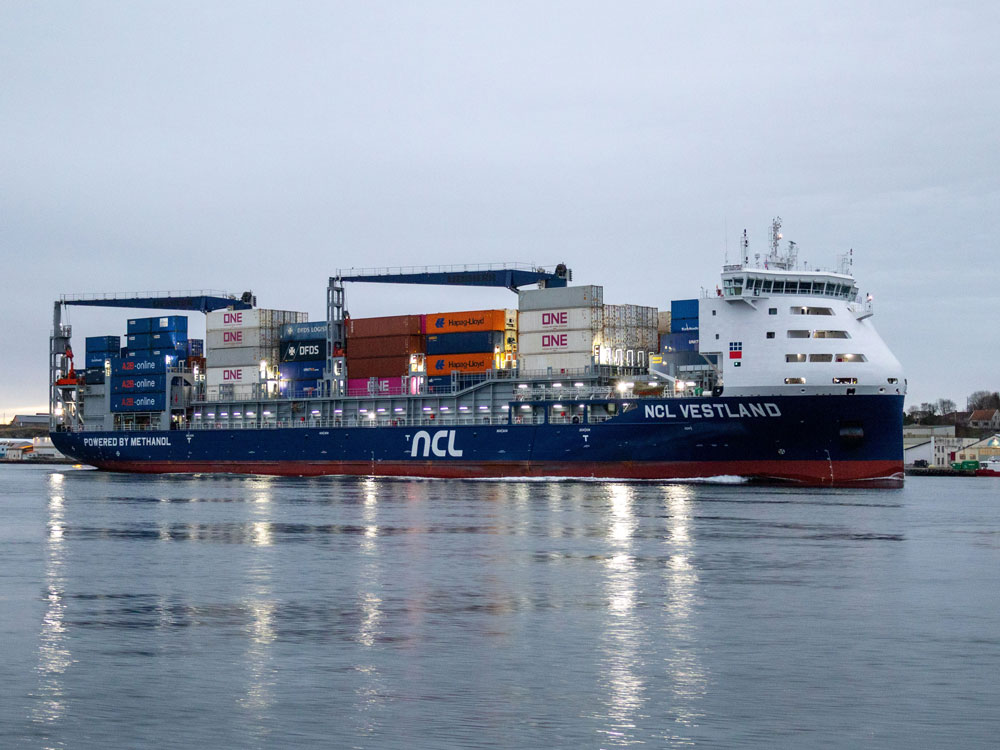
MPC Container Ships reports that it has installed Berg Propulsion’s green-fuel technology aboard its 150m, dual-fuel sister vessels NCL Nordland and NCL Vestland. As part of the contract, Berg also acted as “co-designer” for each ship’s engine room layout and propeller arrangement, comments Mattias Hansson, senior global sales manager at Berg.

Built this year by China’s Taizhou Sanfu Ship Engineering, NCL Nordland and NCL Vestland feature a 28.6m beam, a draught of 9.9m and 380 reefer plugs apiece. The vessels have been placed under a 15-year charter to North Sea Container Line (NCL), which will utilise them on a route linking Norway and Rotterdam.

Mattias Dombrowe, business manager for electric system integration at Berg, explains: “The hybridised set-up optimises energy use from gensets, the shaft alternator and 250kWh battery for load balancing during thruster or other peak loads, also accommodating the shore connector for zero emissions when the vessels are in port.” Both 1,300teu vessels can operate on methanol and/or MGO, and come equipped with Berg’s MPP 1410 controllable-pitch props and MTT bow and stern thrusters. Berg estimates that these propulsive systems could slash energy consumption per teu “by 63% per nautical mile compared to their predecessors”.

NCL has also signed a contract with Equinor to bunker bio-methanol, “initially running on a 5% blend, but increasing bio-methanol content over time to support carbon-neutral operations as the supply chain matures”, Berg says.

UK expands attack submarine programme in response to SDR

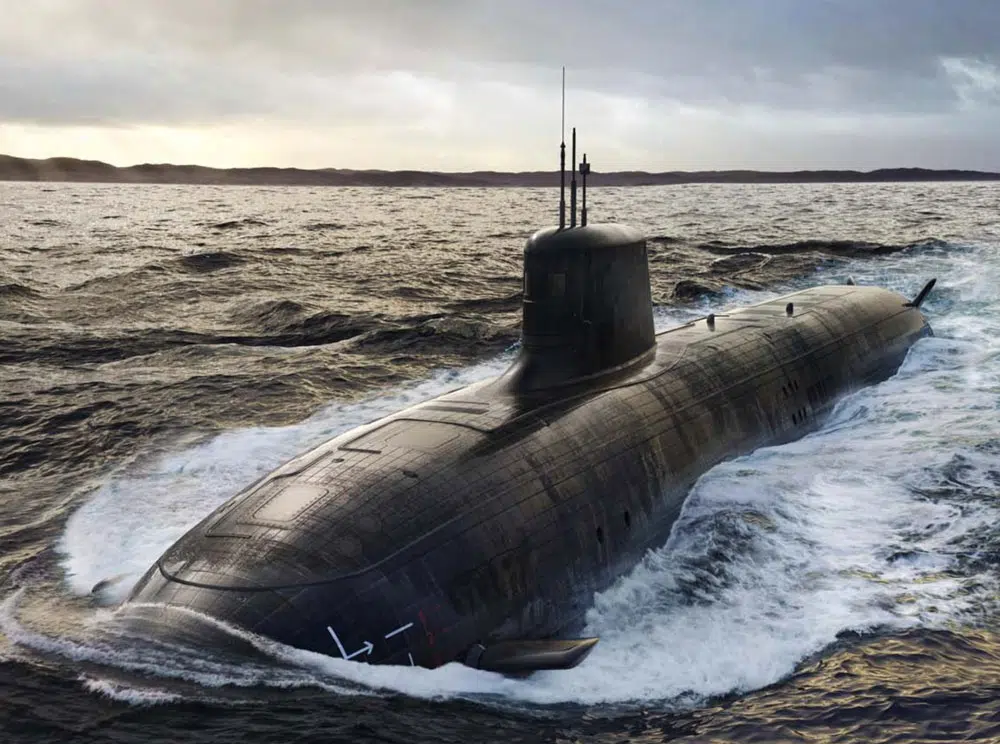
The UK Government is to build up to a dozen new attack submarines as part of the AUKUS programme, in response to “rapidly increasing threats”. The decision means that the UK’s conventionally armed, nuclear-powered submarine fleet will be significantly expanded.

In a statement, the government said: “The increase in submarines will transform the UK’s submarine-building industry…and deliver on the Plan for Change, supporting 30,000 highly skilled jobs up and down the country well into the 2030s, as well as helping to deliver 30,000 apprenticeships and 14,000 graduate roles across the next 10 years.”

Currently, the UK is set to operate seven Astute-class attack submarines, which will be replaced with an increased fleet of up to 12 SSN-AUKUS submarines from the late 2030s.

The boost to the SSN-AUKUS programme will see a major expansion of industrial capability at Barrow and Raynesway, Derby, with the build of a new submarine every 18 months in the future. To ensure the demands of this expanded programme can be met, government is working closely with industry partners to rapidly expand training and development opportunities, aiming to double defence and civil nuclear apprentice and graduate intakes.

The announcement came as the government prepared to unveil its Strategic Defence Review (SDR), an externally led review expected to recommend that the UK’s armed forces move to warfighting readiness to deter growing threats. Defence secretary John Healey MP said: “We know that threats are increasing and we must act decisively to face down Russian aggression. With new submarines patrolling international waters and our own nuclear warhead programme on British shores, we are making Britain secure at home and strong abroad.” The SDR also calls for significant investment into the UK sovereign warhead programme this parliament, while maintaining the existing stockpile.